

Are you worried that red light sessions could leave you looking like a lobster rather than radiant? When you hear the term "light therapy", your mind may immediately conjure up images of tanning beds. You might be worried about an unwanted tan or even skin damage. Let's get the facts straight.
No. Red light therapy is a treatment that uses wavelengths of red and near infrared light. These wavelengths do not cause melanin to be produced, which is the pigment that causes tanning. RLT will not burn or tan your skin like UV light or tanning beds.
You can now relax. RLT is not just a cosmetic tan, but aims to improve cellular health. Let's examine why this distinction matters and answer related questions.
Will red light therapy give you a tan?
Still skeptical? You may have felt a little warmth during the session or noticed a slight flush afterwards. Could this eventually turn into a tan? This common myth needs to be put to rest.
No. UVA and UVB radiation damages DNA in skin cells, triggering melanin to be produced as a protective mechanism. Red light therapy is a completely different wavelength that does not contain UV rays. It stimulates energy production and repair, but not melanin.
Why No Tan? Wavelength is important!
The type of light determines the effect it has on your skin. You can compare it to a gentle push compared to a hard slap.
* Tanning Mechanism
UVA and UVB radiation penetrates the skin.
* UV rays can damage DNA in skin cells (melanocytes and keratinocytes).
* Melanocytes increase production of pigment melanin as a response to the damage.
This melanin darkens your skin and creates a tan. It is a sign that you have suffered a skin injury.
* Red Light Therapy:
RLT is a technology that uses wavelengths within the near-infrared range (810-850nm), and red range (630-660nm).
* These wavelengths, in particular Cytochrome C oxidase, are absorbed within the mitochondria of cells.
This absorption increases cellular energy production (ATP), and activates pathways that are related to repair and collagen synthesis.
These wavelengths are not powerful enough to cause DNA damage in the same way that UV light can and they do not trigger melanin production.
Imagine UV light as an alarm signaling damage. It causes melanin to rush into the skin. The red light acts as a signal to tell cells to repair themselves and work better.
Does light therapy give you a tan?
RLT LEDs work fine. What about the "light therapy" lamps used to treat Seasonal Affective Disorder? Could they cause tanning if they are so bright?
Generally, no. SAD lamps mimic visible sunlight to regulate circadian rhythms (normally white or bluewhite light). The lamps filter harmful UV radiation so that they won't give you a tan. Check the manufacturer's specs to make sure UV protection is provided.
Diverse Lamps for Different Purposes
Light therapy is not the same for everyone. The type of light used depends on the purpose.
Bright Light Therapy Lamps:
* Treatment of seasonal affective disorder, regulation of sleep cycles.
* Light Type: Bright visible light (often a full spectrum white or enriched with blue) that mimics daylight intensity (e.g. 10,000 lux).
* Mechanism: Melatonin and Serotonin are affected by retinal cells that are connected to the brain’s circadian clock.
* UV Concern - Reputable SAD lights are designed to reduce UV radiation levels to minimal levels. This makes tanning unlikely, and ensures eye safety. Direct staring at the lamp is still not recommended.
* Red Light Therapy Devices:
* Target: Rejuvenation of skin, pain relief and inflammation reduction.
* Light Type: Specific wavelengths in the red or near-infrared spectrum.
* Mechanism: Photobiomodulation - stimulating cellular mitochondria.
* UV Concern: Zero UV emission. Will not tan.
Tanning Lamps:
* Target: Cosmetic tanning
* Light Type: Predominantly UVA with some UVB.
* Mechanism: Damage skin DNA intentionally to trigger melanin.
UV Concern: High UV emissions. Health risks (skin cancer and premature aging) are significant.
Is red light therapy better than tanning?
It's no secret that tanning beds, and even sunbathing, can cause skin cancer. Red light therapy could be a way to improve the appearance of your skin, even if you don't want it to tan.
Absolutely. The red light therapy is superior to UV tanning for skin care. It promotes collagen production and repair without DNA damage or premature aging. RLT improves skin quality without harming the skin.
Dive Deeper: Health vs. Harm
Choose between RLT or tanning and you choose between rejuvenation or damage.

RLT does not produce the same color as a tan but it can improve skin health, texture and radiance. It is a "glow" from within, rather than an external color change. There are safer options like sunless tanning lotions that do not expose you to UV rays. RLT will improve your skin's vitality for the long term.
Is red light therapy hot for your skin?
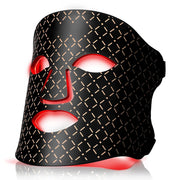
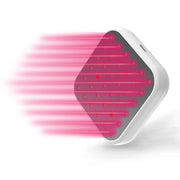
Infrared light can be hot, and the red spectrum is close by. Do you feel the heat of a heat lamp when using a panel or mask that emits red light?
The heat generated by high-quality LED red therapy devices is minimal. The increased blood flow, and energy conversion may cause a slight, pleasant warming of the skin. However, it should not feel "hot" or uncomfortable.
Learn more about LEDs and Heat Lamps
The light source technology has a major impact on the sensation of warmth.
* LEDs (Light Emitting Diodes):
* LEDs are very efficient in converting electricity into specific wavelengths, and waste little energy as heat.
* Sensation. This is the reason why LED-based RLT products produce only a slight, barely detectable warmth on your skin. The device is relatively cool, and some warmth is produced by the absorption of light energy and the increased circulation in the local area.
* Incandescent / Halogen Bulbs (Older Heat Lamps):
* Inefficiency - These bulbs emit a wide spectrum of light, but also significant amounts of infrared.
They are hot, because they produce a lot of heat. Modern therapeutic devices prefer LEDs over older "infrared", cheaper devices.
* Far-Infrared (FIR) Saunas:
* Mechanism: They use emitters that produce FIR wavelengths (ceramic, carbon), which are absorbed by the water in our bodies and create heat through molecular vibration.
* Sensation : Intentionally created to create significant warmth for sweating and deeper warmth. This is a completely different application and technology than LED-targeted RLT.
Conclusion
Relax. Red light therapy will never tan your skin. The non-UV, safe light is used to improve skin health. RLT is a better alternative to damaging tanning. It promotes collagen and repairs, offering a superior way to achieve radiant skin, without heat or risk.