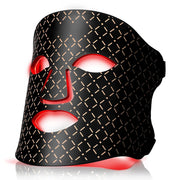


red light therapy is gaining popularity as a non-invasive alternative to a number of medical conditions. This includes skin rejuvenation, pain relief, and low-level laser therapy HTML1. Recently, there has been a growing interest as to whether RLT can benefit thyroid health. This includes improving thyroid function and alleviating thyroid disorders symptoms. RLT is a complementary therapy that some people use to treat thyroid disorders, which affect millions of people around the world.
Nevertheless, with this interest have come several misconceptions regarding red light therapy. This article aims to separate myths and facts, and offer a balanced and evidence-based perspective about the relationship between thyroid health and red light therapy.
What is the actual mechanism of Red Light Therapy?
Let's quickly review the science behind RLT before we examine the myths.
The red light therapy uses low-level wavelengths near-infrared or red light to stimulate cell function. This therapy is used in a variety of medical and cosmetic fields. It can be used to accelerate wound healing, reduce inflammation and improve skin conditions.
The treatment works by penetrating through the skin and reaching cells, especially the mitochondria. These are commonly referred to the "powerhouses" in cells. These cells produce more energy when they absorb specific wavelengths of light (typically between 630 and 660 nanometers in red light). The increased cellular energy has a number of beneficial effects including reduced inflammation and tissue repair.
Red light therapy is used for many different health conditions, but its effects on thyroid health are of particular interest. This is especially true in people with thyroid disorders like Hypothyroidism (thyroid hypoactivity), which can be caused by Hashimoto’s thyroiditis.
We will learn about red light therapy and thyroid health in the remainder of this article through a series myths.
Myth No. 1: Red Light Therapy can cure thyroid disorders
It is simply untrue to say that red light therapy will cure all thyroid disorders. This myth is likely a result of anecdotal evidence and limited studies that suggest RLT can improve thyroid function. It's important to note that red light treatment is not a remedy for thyroid problems.
Thyroid disorders can be complex, and they often involve multiple factors. These include genetics, autoimmune responses, and hormonal imbalances. Red light therapy can have some therapeutic benefits but it does not address the root cause of thyroid dysfunction. The scientific community and clinical practice do not support claims that RLT is a replacement for medical treatment. Medical supervision is essential for individuals with thyroid conditions, especially those who require hormone replacement therapy.
Fact No.1:Red Light Therapy Can Improve Thyroid Function
Red light therapy does not cure thyroid disorders. However, research shows that it can improve thyroid function in people with Hashimoto thyroiditis (chronic autoimmune thyroiditis).
A group of Brazilian researchers conducted several studies over the past decade to investigate the effectiveness of low-level Laser Therapy in treating hypothyroidism due to chronic autoimmune thyroiditis. The researchers began with a 2010 pilot study published in Lasers in Surgery and Medicine. It showed promising results: patients needed less levothyroxine, thyroid antibodies dropped, and ultrasound scans revealed improvements in thyroid tissue. Then, in 2013, they published a randomized placebo-controlled trial in the lasers in medical science journal that confirmed their findings. Patients who received LLLT required lower doses of LT4, showed fewer thyroid antibodies and had better thyroid tissue health compared with a placebo group. Finally, a long-term follow-up study, published in the International Journal of Endocrinology looked at effects six years after the treatment. The study showed that LLLT is safe and continues to benefit patients by reducing the need for medications.
Myth No.2: Red Light Therapy can replace thyroid medication
A common misconception is that red-light therapy can be used to replace thyroid hormones, such as levothyroxine and other hormone replacement treatments. This is not just inaccurate, but also potentially dangerous as it could lead people to stop taking medical treatment.
People with hypothyroidism (where the thyroid gland does not produce enough hormones) may need to take thyroid hormone replacement for life. Stopping medications without medical advice may have serious health implications, such as worsening symptoms of fatigue and obesity.
Fact No.2:Red Light Therapy can be used in conjunction with conventional treatments
It may have supportive effects, but should not be considered a replacement for thyroid medication. It is better to consider it as a complementary treatment that can be used along with traditional treatments in order to possibly enhance thyroid function. It is important to consult with your healthcare provider before changing any thyroid medications or treatment plans.
Myth No. 3: Red Light Therapy is effective for everyone with thyroid problems
If red light therapy is effective for one thyroid patient, then it's likely to be successful for others. Unfortunately, that's not the case. Although some studies have shown promising results, red light therapy does not work for everyone. This can be due to a variety of factors such as the wavelength used, the consistency in therapy, severity, overall health of the patient, and their body's reaction to the treatment.
Fact No.3:Red Light Therapy is safe when used correctly
Red light therapy, when done correctly, is considered safe and non-invasive by most people. Red light therapy is safe for most people, but those with photosensitivity disorders or taking photosensitizing medication should exercise caution.
RLT is associated with a number of risks, including improper use and overexposure to light. The side effects of RLT are mild and rare, including temporary irritation or redness. It is best to adhere to the manufacturer's guidelines regarding duration and frequency. For optimal results, most studies recommend short sessions (5-20 min) several times per week.
Myth No.4: Red Light Therapy produces immediate results
A second myth about red light therapy is the idea that it can produce immediate or fast results for thyroid health. Online claims or testimonials describing rapid improvements after only a few sessions are often the source of this myth. While some people may see small improvements early on, it usually takes time for significant changes to occur in thyroid function and symptoms.
It may take several sessions of red light therapy before you see any real improvement. Red light therapy requires patience, especially when treating chronic conditions such as thyroid dysfunction. Expecting immediate results or rushing the process can lead to disappointment. However, using red light therapy over time in conjunction with conventional treatments may produce more positive outcomes.
Fact No.4: Red Light Therapy may help alleviate fatigue associated with thyroid conditions
Fatigue, particularly hypothyroidism, is a common sign of thyroid disorders. The ability of red light therapy to boost energy levels through mitochondrial function has been studied. The mitochondria, or "powerhouses", of the cell, play a vital role in energy production. The red light stimulates the mitochondria, which increases ATP production, resulting in increased cellular power.
Red light therapy can provide an energy boost for individuals who suffer from thyroid-related fatigue. It does this by improving the overall function of cells. This is a complementary treatment that addresses one of the most crippling symptoms of thyroid dysfunction.
Myth No. 5: Red Light Therapy is a new, experimental treatment
Many people think that red light treatment is an untested, new option for treating certain conditions. RLT is not a new treatment option. It has been studied for decades, and its principles have been studied in the 1960s. In reality, red light therapy is neither experimental nor untested. The FDA has approved it for certain uses such as skin treatment and wound healing. Some studies have shown promising results when it comes to thyroid health. However, more research is needed to fully understand the effectiveness and long-term outcome.
Fact No.5 - Red Light Therapy Can Improve Skin Health for People With Thyroid Problems
Thyroid disorders can affect skin health in a negative way, causing dry, rough or thin skin. The benefits of red light therapy in treating skin conditions are well known. It stimulates collagen production, enhances cellular repair and improves blood circulation.
Red light therapy can be beneficial for individuals who have thyroid problems. Red light therapy can help support thyroid function and also address skin issues that are commonly associated with thyroid problems. According to studies, red light therapy improves skin elasticity and reduces inflammation. It also promotes wound healing. This is especially beneficial for people with thyroid-related hormonal imbalances.
Takeaways
RLT has been shown to improve thyroid function and reduce inflammation. It can also increase cellular energy.
Red light therapy is a promising treatment for thyroid problems, but many questions remain.
It's important that you use RLT as part of your overall treatment plan and always under the supervision a doctor.
As more research is done, the red light therapy could become more widely accepted as a complementary treatment to thyroid health in the future.
Speak to your doctor before beginning any new treatment. This is especially important if you already take thyroid medication.