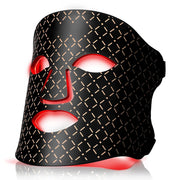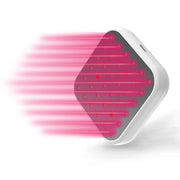


Recovery from surgery is often slow and painful. Red light therapy, also known as photobiomodulation, is used beyond standard care to reduce swelling and discomfort, support tissue healing, and improve scar appearance. This guide will explain how it works, how and when to begin, as well as how to safely use it. It also explains where it fits into your recovery plan.
How Red Light Therapy Works after Surgery
PBM delivers wavelengths of light, most often near-infrared and red (around 700-900nm), deep into tissue. These photons activate mitochondrial activity, boosting cellular ATP production, enhancing blood circulation and reducing inflammation. In turn, this can cause wounds to close more quickly, reduce swelling more rapidly, and balance collagen remodeling, which is essential for healthy scarring.
Our technical wattage guides explain how output is related to dosage. The equipment selection guide shows what to look out for when selecting a device following surgery.
Research supports these recommendations: For example, an overview on PBM in wound repair reports faster tissue healing and reduced inflammation. And studies on wavelength-specific effect highlight why red and close-infrared lights are preferred for post-surgical care.
Red Light Therapy after Surgery: When to start?
Red light therapy is a common question after surgery. The answer will depend on your surgeon's recommendation, the type of operation, your healing rate and the procedure. Treatment usually begins after the initial swelling and wound healing has been completed.
Once the area has been cleaned and covered, it is usually safe to begin minor procedures.
* Moderate procedures: Usually 1-2 weeks after surgery, when swelling and tenderness have subsided.
* Major surgery (knee replacements, mastectomy and abdominoplasty), usually after the sutures have been removed and the incision has been sealed - often 3-6 weeks following the operation.
See our guide on choosing the right red-light therapy unit for an overview of how to safely use this device after surgery. You can then choose the right device for your recovery and avoid any potential risks.
Cancer centers and hospitals also offer patient-friendly information on the timing and safety of photobiomodulation. ASLMS, for example, has a public PBM guide that explains what to expect as well as why timing is important.
Common post-surgical applications of red light therapy
1. Orthopedic Surgeries & Joint Replacemen
Red light therapy can help reduce inflammation after joint replacement surgeries, such as hip or knee replacements. It may also improve mobility and relieve pain during the rehabilitation process. In a randomized study on low-level light therapy combined with physiotherapy, there was a reduction in swelling and accelerated functional recovery.
Our equipment selection guide can help you select a device with the right wavelength and power to treat deeper tissues in joints.
2. Plastic & Aesthetic surgery
Red light therapy is effective for reducing post-operative swelling, and can improve scar appearance. In a 2024 report, a 830 nm led treatment was found to significantly reduce swelling and discomfort for cosmetic surgery patients.
3. Hair Transplant Recovery
Red light therapy can reduce the redness of the scalp and encourage faster healing. See our guide on red vs. Blue light therapy for more information about wavelength differences.
4. Scar Tissue Management
Red light therapy can help patients with hypertrophic or keloidal scars normalize collagen production. PBM reviews in keloid management and scar treatment show reduced scar thickness over time.
5. Dental & Oral Surgeries
Red light therapy in dentistry is used to reduce discomfort and promote healing after oral surgery. The PBM report of the American Dental Association summarizes clinical benefits as well as safety considerations.
Safety Considerations and precautions
Most post-surgical patients are safe to use red light therapy, but you should take some precautions. Consult your surgeon prior to starting any treatment, especially if there are implants, health conditions or signs of infection.
Do not apply light directly to open wounds, or areas that are infected. Before starting the therapy, ensure that the incision has been completely closed. See our guide on selecting safe and effective devices for more information.
Another important factor is eye safety. Laser or LED lights can cause damage to the eyes when used incorrectly. This guide will tell you what type of goggles are best to wear and how to do so.
Refer to FDA PBM Device Guidance for official guidance on approved use and labeling. This guidance outlines device classes, dosing suggestions, and precautions.
How to Use Red Light After Surgery: Step by step
A clear protocol will ensure you get the maximum benefit from red-light therapy, while avoiding unnecessary risk. Once your doctor has approved the treatment, here's how you can implement it:
1. Verify medical clearance. Your surgeon will need to approve your surgery based on the type of surgery you are having and your healing progress.
2. Choose the correct device. Select a device with the appropriate wavelength (630 - 850 nm), and power output. Read our guide to equipment selection and wattage for detailed guidance.
3. Set the correct distance. Follow the manufacturer's instructions.
4. Decide on the length and frequency of sessions. Start by doing 10-15 minutes per area 3-5 times per weeks. You can adjust the intensity based on comfort and healing progress.
5. Protect your eyes. Protect your eyes. Consult our guide to eye protection for more information.
6. Keep track of your progress. Notify yourself of any changes to swelling, pain, mobility and scar appearance. The best results are achieved by using the product consistently over a period of weeks or even months.
Our professional panel usage guide will help you get the most out of your panel-style device by guiding you through positioning, coverage and timing.
FAQs
Q1: When can I begin red light therapy after surgery?
A1: You can usually begin the procedure once your surgeon has approved and the incision has been completely closed. This can mean waiting 3 to 6 weeks for larger procedures such as knee replacements, mastectomy or abdominoplasty. Our unit selection guide can help you match devices with recovery requirements.
Q2: Can red light therapy be used after knee replacement surgery?
A2: Yes, clinical studies, including a randomized study on total knee arthroplasties, show that it can reduce pain, swelling and improve mobility, when combined with physical therapy. Follow the advice of your orthopedic team.
Q3: Does red light therapy help with surgical scars and if so, how?
A3: Yes, consistent use over a period of weeks or months can improve the elasticity, texture and color. PBM's review of keloid scar and keloid management highlights the measurable improvement in scar quality that can be achieved with regular treatments.
Q4: How long does it take for hair transplants to recover?
A4: Red light therapy after a hair transplant can reduce redness and tenderness and help support grafts survival. See our comparison of red and blue light therapy for more information on wavelength differences.
Q5: Is eye protection necessary?
A5: High-intensity leds can cause damage to your eyes. Use goggles that are certified during every session. This guide will explain how to correctly wear eye protection.
Q6. Are there official guidelines?
A6: To get a regulatory context, you can consult the FDA's PBM Device Guidance, which details approved uses, labeling and safety requirements.
The Gentle But Powerful Ally for Recovery
Red light therapy can be used after surgery to reduce swelling and discomfort. It is non-invasive and safe when done at the right time with the correct device. This therapy works best when it is part of an overall recovery plan that you develop with your healthcare provider.
The Key Takeaways
Before starting any red light therapy, always consult your doctor.
* Do not begin treatment until swelling and the incision has healed.
See our guide to selecting equipment for more information.
Refer to our guide on eye protection for more information.
Regular sessions, over several weeks or even months, are the best way to reap most of the benefits.
Are you ready to learn more about professional solutions for your clinic, recovery center or other business? Contact us to find the best red light therapy device that suits your needs.