

Do you ever feel that way when you are getting ready for a meeting and you see dark patches in the mirror despite carefully applying your makeup? Hyperpigmentation is a common problem that affects 90% of people. It can occur at any age and on any skin tone.
These spots are not just cosmetic. According to a study published in the Journal of Clinical and Aesthetic Dermatology, visible hyperpigmentation can affect quality of life as much as acne and eczema. These persistent skin issues are causing people to report a decrease in professional confidence, reluctance when being photographed and anxiety at being seen without makeup.
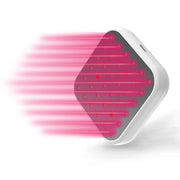
Red light therapy is the latest treatment to hit your social media feeds, promising to reduce hyperpigmentation. Influencers post glowing selfies, your coworker swears that her red light panel works and devices range in price from $79 to $2,000 for full-body systems. Marketing promises are bold. "Fade dark areas naturally!" The marketing promises are bold: "Clinically proven results!" The future of skincare!
Here's where we have to confront the tension: is this treatment for hyperpigmentation, and other skin issues, backed up by science or just a well-packaged piece of wellness industry hype.
Hyperpigmentation: What Causes Those Dark Spots to Remain?
Before we can evaluate whether red light therapy is effective, we must first understand what exactly we are treating and why this treatment is so difficult.
What is Actually happening in Your Skin?
Hyperpigmentation, which is a simple condition, is caused by an overproduction of the pigment melanin. Melanocytes, the cells that produce melanin, go into overdrive at certain sites and create dark patches or uneven tones.
Here's where it gets complicated: Melanin has a protective role. When your skin senses damage (UV rays, inflammation, injury), melanocytes spring into action, producing melanin as defense. Dark spots on your skin are not just cosmetic. They're actually a protective response to the danger that remained after it was over.
Imagine it as a car alarm which won't shut off once the thief leaves.
The Main Culprits
Sun Lentigines (Sun Damage): The most common type of sun damage, "age spots", or "sun spots", appears on areas that are exposed to the sun for long periods, such as the face, hands and shoulders. Melanocytes produce uneven pigmentation after years of UV exposure. These are generally well-defined, flat spots that do not fade in the winter.
Hormonal Melasma Also known as the "mask for pregnancy", melasma is characterized by large patches of gray or brown discoloration that appear symmetrically on cheeks, foreheads, upper lips, and chins. It can be triggered by pregnancy, birth control pills or hormone therapy. It is notoriously stubborn, and it can recur. Many people experience some improvement after treatment only for it to return.
Post-Inflammatory hyperpigmentation (PIH). The marks that remain after an inflammation, such as acne, eczema, burns or excessively aggressive skincare. As part of the healing process, excess melanin is produced by the inflammatory response. These marks are visible exactly where the inflammation took place and tend to be darker on people with darker skin.
Age-Related Uneven Tones As skin ages the melanocyte distribution becomes more uneven. Some areas produce too much pigment, while others do not. This creates a mottled look that many people associate with aging.
Why traditional treatments fail
There are many treatments available, but none is perfect.
Hydroquinone, the gold standard in prescriptions, inhibits the enzyme required for melanin formation. It is effective, but it's controversial. Long-term use of the drug can cause paradoxical darkness (ochronosis), especially in darker skin. It is banned in many European countries. Dermatologists in the US recommend that you limit your use to three-four month cycles.
Retinoids speed up cell turnover and shed pigmented skin cells. It takes a while for visible results to appear. Redness, peeling and increased sensitivity are all part of the adjustment period. Some quit before they see results.
Chemical peels remove the outer layers of skin, removing pigmented cells along with them. These peels can have dramatic results, but they require downtime, multiple sessions (150-300 dollars each), and come with risks, including infection, and even PIH.
Laser treatments are the most aggressive and use targeted light energy to break down pigment. The treatments are highly effective but costly ($500 to $2000 per session), they require multiple sessions and significant downtime. They also carry substantial risks when used on darker skin tones. Some dermatologists will not perform certain lasers if the Fitzpatrick type IV-VI is present. The risk involved in doing so is too high.
What is the common thread? The treatments are either harsh, expensive, dangerous for certain skin types, or require extreme patience. Both face the same problem of rebound effects.
The Rebound Effect
It is the most frustrating thing to watch your pigmentation return, sometimes even worse than before.
Why? The majority of treatments only address the visible pigment (symptom) and not the triggers. UV exposure triggers melanin production immediately without sun protection. Your melasma will return if hormones were the cause. If inflammation was the cause, you'll see a new breakout of PIH.
In addition, aggressive treatments can cause inflammation and trigger the melanocytes that you are trying to calm. This frustrating cycle leads people to invest thousands of dollars, and spend years on treatments with no results.
Red light therapy is a gentler and safer option that can be used long-term, without increasing risks.
Does science back it up?
Red Light Therapy - The Science Without Sales Pitch
What is Red Light Therapy?
RLT, also known as photobiomodulation and low-level therapy, uses wavelengths from the red-near-infrared range to stimulate cell function. Red and near-infrared waves penetrate the skin and interact with cells. They are more therapeutic than UV light, which damages DNA and can cause cancer.
Wavelengths are important:
Red light (630-670nm), visible spectrum: The actual red glow that you see. It penetrates up to 1-2mm deep into the skin and reaches epidermis, upper dermis. Ideal for addressing surface concerns, including melanin in the epidermal layers.
Near-Infrared (810-885nm) is invisible to the human eye but vital for therapy. Penetrates much deeper - 2-4cm into tissue - reaching deeper dermal layers, underlying blood vessels, even muscle. This treatment targets inflammation, which is the cause of hyperpigmentation.
Both wavelengths are important because hyperpigmentation is often found in the upper layers of skin, while inflammation and cellular dysfunction can be present deeper. Both wavelengths are effective in addressing the problem at multiple levels.
It's not magic. It's biophysics.
How light becomes cellular energy
The mitochondria are the "powerhouses" of your cells. They convert nutrients into ATP, the energy currency that cells use to do everything from repair and regeneration.
The cytochrome C oxidase is found within mitochondria. This molecule absorbs near-infrared and red wavelengths to trigger beneficial cellular responses.
* Increased ATP Production: More energy to repair and regenerate
* Improved cellular signaling : improved communication and coordination of healing
* Reduction of oxidative stress : neutralizing reactive oxygen species that cause cellular damage
* Nitric Oxide release: Improves blood flow and oxygen supply
* Modulation of the inflammatory pathways : Influencing pro- and antiinflammatory signaling
Imagine that your cell phones are running out of battery. The cells work, but inefficiently and slowly. The red light therapy plugs them in for charging. The cells are able to perform their maintenance and repair tasks better with more energy.
The Hyperpigmentation Connection
Tyrosinase Downregulation: Tyrosinase, the enzyme that limits melanin production, is responsible for tyrosinase. Red light therapy has been shown to reduce tyrosinase, reducing the volume of melanin produced. It doesn't occur immediately, but over weeks of constant exposure it has a gradual effect.
Inflammatory modulation. Post-inflammatory hyperpigmentation occurs because inflammation triggers the melanocytes. Red light therapy reduces overall skin inflammation and helps existing PIH fade more quickly.
Increased circulation and cell turnover: Improved blood flow delivers more nutrients and oxygen, while removing wastes more efficiently. The increased cellular energy promotes natural exfoliation and gradually replaces pigmented skin cells with new ones.
Collagen stimulation: Although more important for anti-aging, better collagen results in a healthier skin architecture. A healthier skin structure responds to treatments better and maintains the results for longer.
Note: Cellular and animal studies support these mechanisms. It gets murkier when you make the leap from "this occurs in a petri plate" to "this can fade your dark spots". Science establishes the plausibility but clinical outcomes in humans need to be focused.
Wavelength precision is important
Cheap devices are a big failure here.
Not all red lights are therapeutic. It is important to know the wavelengths. It may look red but a device emitting light at 600nm or even 700nm is not triggering therapeutic responses. The absorption peak of cytochrome c oxidase is around 660nm or 850nm. If you miss those peaks, your skin will just glow a bright red with no biological benefit.
The light from these devices is often a broad spectrum visible light, with only a small portion of it being therapeutic. These devices are essentially fancy mood lighting. Some people who use red light devices religiously see no results. They are not receiving the therapeutic wavelengths with sufficient intensity.
The LEDs used in quality devices are specifically designed to emit narrow wavelength ranges. For example, the red wavelength is 660nm plus or minus 10nm and near-infrared is 850nm plus or minus 10nm. This ensures that you are getting the wavelengths that your cells can actually use.
Set realistic expectations
Red light therapy does not do these things:
Chemical peels do not remove pigmented layers of skin.
The use of heat energy to break up pigments, such as lasers.
The skin will not be bleached by hydroquinone
* Does not suppress melanin as aggressively as prescribed medications
It creates conditions that encourage gradual improvement, such as reduced inflammation, improved cellular turnover and downregulated melanin. This is a gentle, slow modulation of the skin's natural processes. It is not a dramatic intervention.
You'll be disappointed if you expect dramatic results after just two weeks. The research suggests that it could deliver modest, gradual improvements over several months, and with a safety profile that makes it suitable for long-term use without the risks of aggressive treatments.
Red Light Therapy: A Practical Protocol for Results
The Core Protocol
Frequency: 3 to 5 times per week
Three treatments per week consistently produce measurable outcomes, whereas daily treatments do not significantly improve outcomes or cause unnecessary stress.
Why? It takes time for cells to respond to red light. Not minutes, but hours or days can be required to see a change in the regulation of melanin, mitochondrial activity, inflammation, and mitochondrial activity. You need to allow your cells time to recover between sessions in order for them complete the repair and regeneration process that was initiated by the light.
It's not better to do more. It's not worth it to use your device twice a day. You'll waste time, and your skin could be irritated.
Most people are happy with 3-4x per week. You can increase to 5x weekly if you have been consistent with your efforts for at least 8 weeks and seen minimal results. Never exceed that.
Duration: 10-20 minutes per treatment area
The power output of your device will determine the treatment time. Treatment times are shorter with higher irradiance.
Calculate your treatment time:
* Devices with 40-60mW/cm2: 10-12 minutes for each area
* Devices rated at 25-40 mW/cm2 per 6 inch area: 15-20 minutes for each area
* Devices less than 25mW/cm2 are probably not worth your effort
Distance: 6-12 inches from skin
It is important to note that this device-specific information is crucial. The inverse square rule applies to light intensity - when you move twice as much away, the intensity is reduced by one quarter.
Check your device specifications. Check your device specifications. It's not a good idea to get too close (you won't receive any additional benefits, only discomfort). If you are too far away, the therapeutic dose is not received.
Consistency is a non-negotiable element
Inconsistency will ruin your results. It's not going to produce results if you use your device four times in one week and then once a week the following two.
You can also think of it as going to the gym. Muscle mass is not built by sporadic workouts. Consistent training does. The same principle applies to photobiomodulation.
Schedule it the same way you schedule your medication: Same days, exact time. It should be non-negotiable and not something that you "do when you remember."
The Complete Step-by Step Protocol
Phase 1: Prepare (5 minutes).
1. Remove all traces of dirt. Non-negotiable. Makeup, sunscreen and skincare products can block light. Begin with completely dry, clean skin. Double cleanse if you have been wearing makeup or sunscreen. Use an oil-based cleanser, followed by a water-based one.
2. The skin must be completely dried. Light is reduced by water droplets.
3. Remove jewelry. Remove all jewelry, including earrings, necklaces and glasses.
4. After treatment, gather all post-treatment products. Serums and moisturizers are ready for immediate application.
5. Protect eyes. Most quality devices include protective goggles. If yours doesn't, keep eyes closed during facial treatment.
Phase 2: Treatment (10-20 Minutes)
1. Position your device at the correct distance (6-8 inches is typical). Keep your device steady and don't move it constantly.
2. If necessary, treat in sections. Full-face panel: 10-20 minute treatment of everything at once. Handheld: 3 to 5 minutes per area (both cheeks and forehead). Spend extra time in areas that have the most pigmentation.
3. Relax during the treatment. It's not the time to multitask. Put your phone down. Maintain proper positioning.
4. Note the sensations. Mild warmth can be normal. Near-infrared heat is not visible and produces less heat. You're probably too close if you feel significant heat.
Phase 3: Post Treatment Care (5-10 Minutes)
After red light therapy, your skin will be primed for a more receptive response. The cellular activity increases, the microcirculation is enhanced and product absorption is significantly improved.
Wait between 5 and 10 minutes before applying any products. Wait 5-10 minutes before applying products.
Apply the products in this order.
1. If you use a hydrating essence or toner, make sure it is hydrated.
2. Treatment serums (choose 1-2):
* Vitamin C serum (antioxidant boost, melanin regulation)
* Niacinamide serum (complements melanin regulation)
* Azelaic Acid (melanin inhibitor, anti-inflammatory).
* Tranexamic Acid (increasingly used for melasma).
3. Restorative serums:
* Peptide serums (collagen support)
* Growth factor serums (amplify repair signals)
* Exosome serums are skin communication molecules.
4. Moisturizer
5. Use eye cream if you have one
You can use tretinoin, a prescription medication or retinol OTC at night.
Use retinoids on alternate nights with red light therapy
You can use the products on the same day after 2-3 weeks if your skin is tolerating them well.
Sequence: Red light therapy – wait 10 mins – serums – wait 10 mins – retinoid and moisturizer
Build Your Complete Routine
Morning Routine:
1. Cleanser for gentle skin
2. Niacinamide or Vitamin C serum
3. Hydrating serum or Hyaluronic Acid
4. Moisturizer
5. SUNSCREEN SPF 50+ (absolutely non-negotiable).
Evening Routine:
1. Double Clean
2. Pat the skin completely dry
3. SESSION RED LIGHT THERAPY (10-20 minutes).
4. Wait 5-10 minutes
5. Treatment serum
6. Restorative serum (if using)
7. Moisturizer
Evening Routine on Days without Red Light Therapy:
1. Double Clean
2. Chemical exfoliant (AHA/BHA), 1-2x per week
3. Treatment serums
4. Retinoid can be used (initially, on nights with no red light therapy and then in combination)
5. Moisturizer
When should I start my day?
Evenings are generally preferred for:
* Skin already makeup/sunscreen-free from cleansing
There is no risk of sunburn immediately after
Use treatment serums in a primed or receptive condition without having to rush.
* It is easier to maintain consistency in the evening wind-down ritual
Morning works fine if:
Evening routine is already too complex/long
* You like to start your day by self-care
You can plan your mornings more easily
Consistency is more important than timing. Select a regular activity that fits into your life and is something you will actually do.
Common mistakes that kill results
Mistake #1 Use red light therapy through products. Your face must be clean and dry. All sunscreen, makeup and moisturizers block light. It's essentially red light shining on a barrier.
Mistake #2 Giving up too early. You will not see dramatic results within two weeks. Not in four weeks. Minimum commitment: 8 consecutive weeks of consistent use (3-4x per week) before evaluation. The optimal evaluation period is 12-16 weeks.
Mistake #3: Unregular Use You may think that using five times a week, and then once every two weeks is "regular" use in your mind. But your cells do not feel it this way. Cellular changes require consistent signaling.
Mistake #4 The wrong distance. Holding the device at 18 inches means that you are only receiving a fractional dose of the therapeutic dose. You'll feel uncomfortable, but you won't be more effective. Please follow the device specific guidelines.
Mistake #5: Skip sunscreen. UV exposure triggers the production of melanin faster than any treatment. You're going backwards if you don't reapply SPF 50+ every day, and reapply it every two hours when you are in the sun.
Every. Single. Day. Day. Even cloudy days. Even winter. Even "just inside" UVA can penetrate windows.
Mistake #6 - Using a poor quality device If the device does not specify wavelengths or irradiance outputs, then it is probably not delivering therapeutic dosages. Some people are using devices with no results.
Tracking Progress
* Weekly photos with consistent lighting
* Same angle at the same time
The best natural light is near a window
Expect a few minor changes each week
Review your monthly assessment for a realistic view
Red light therapy takes time. It is not a quick fix. People who follow the protocol, are consistent, and allow it enough time to do its magic on cells will see results.
Research suggests that red light therapy works for many people. It's a question of whether you will use it consistently and correctly to see if it works.
The FAQ
Can red light therapy reduce hyperpigmentation in skin?
Clinical studies have shown that red light therapy, when used at certain wavelengths (630nm Red and 850nm Near-Infrared), can reduce hyperpigmentation. It's best for melasma and post-inflammatory hyperpigmentation, particularly when combined with other treatments such as topical serums or sun protection. Expect gradual improvements over 8-16 sessions with 3-4 weekly treatments, not instant results.
Is red light therapy hyperpigmented?
Red light therapy is not hyperpigmentation if the therapeutic wavelengths are used correctly (630-850nm). Red and near-infrared lights do not stimulate melanin like UV or lasers. They actually downregulate it. In clinical studies, hyperpigmentation is not reported as a possible side effect.
Is red light therapy worsening hyperpigmentation?
Contrary to certain lasers, red light therapy is not known to cause hyperpigmentation. It is also safe for all skin types. It is possible to prevent improvement by using the wrong wavelengths, not wearing daily sunscreen with SPF 50+, or misusing the device. Consult a dermatologist if darkening is noticed, but adverse reactions are rare.