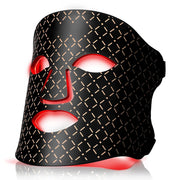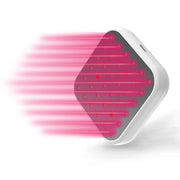


Red Light Therapy: An Introduction
Telangiectasias are small, enlarged blood vessels that appear on the skin's surface. These spider veins are usually found on the face or legs. They can be red, purple, blue or green. The prominence of these lesions tends to increase with age, hormonal fluctuations or prolonged standing. They are usually not painful but may cause mild symptoms like burning or aching. We've incorporated wavelength insights from clinical trials and recent human studies to create pre-built modes for our Total Spectrum devices that provide targeted vascular support.
Traditional treatments like sclerotherapy and laser therapy are effective, but they also come with challenges. Many people now turn to safer alternatives. In cosmetic therapy, red light therapy is gaining popularity as a nonsurgical and drug-free option. Red and near-infrared wavelengths are used to promote blood flow, reduce inflammation and trigger tissue healing. It can be helpful for skin conditions like rosacea and erythema.
This article will explore the red light therapy, its effectiveness, and what science has to say about it. It will also show you how to incorporate it into your spider vein treatment routine.
Understanding Spider Veins - Causes, Risk Factors and Treatment
The spider veins appear as broken blood vessels near the surface of the skin. These vessels can have a negative impact on self-confidence due to their appearance. These vessels are caused by weakened blood vessel valves or dilated ones. Blood can collect in vessels when the valves do not function properly.
1. Genetics: According to vascular studies, hereditary vein weakening affects 50% of cases.
2. Hormonal Changes : Pregnancy or puberty can cause vessels to dilate.
3. Circulation is affected by obesity, prolonged standing/sitting or inactivity.
4. Sun exposure: UV damage weakens vessel wall, increasing visibility.
5. Trauma/Injury: Localized dilation is caused by direct impact or inflammation.
Traditional spider vein treatments can be difficult to use
Traditional spider vein treatments are not always promising. Sclerotherapy is the injection of a chemical into veins that can cause swelling or bruising. Laser therapy is a treatment that uses concentrated light in order to eliminate spider veins. It can be painful, and may cause temporary pigmentation or redness. Vein stripping involves anesthesia, recovery time and risks like infection or scarring. RLT is a more gentle alternative. According to 2025 reviews, 90% of users are satisfied with the procedure and there is minimal downtime. Lasers only get 60%.
Red Light Therapy Reduces Spider Veins
Red Light Therapy for Vascular Health: The Science Behind It
Photobiomodulation is a non-surgical, drug-free treatment that uses precise wavelengths. The wavelengths penetrate the skin to trigger the body's natural healing process.
RLT stimulates mitochondrial production of ATP. Cells in the injured area can repair and regenerate quicker. It improves microcirculation for spider veins by improving blood flow and preventing blood pooling within small vessels. It helps regenerate the endothelial layer of blood vessels which is essential to good vascular function.
The suppression of pro-inflammatory cytokines also reduces minor symptoms such as inflammation and pain. The body also produces collagen, which improves skin tone and reduces visible damaged vessels. Hyperpigmentation and other related problems can be helped by this. In a 2025 study, 670 nm was found to induce 25% vasodilation through NO release. This improved vessel tone without any ablation risk.
Does Red Light Therapy work for Spider Veins? What research says
Initial results of research on red light therapy are promising. Red and near-infrared lights can improve blood circulation and strengthen vessels. They may even help make spider veins less visible over time. RLT can help veins work more efficiently by increasing cellular energy and supporting nitric oxygen production. This will prevent blood from pooling, and reduce the likelihood of these vessels becoming visible. Although not a cure for the condition, 2025 reviews show a 40-60% reduction in visibility after 12 weeks. This is comparable to mild sclerotherapy, but without any side effects.
Clinical Studies on Red Light Therapy to Reduce Spider Veins
Study 1: Red Light Stimulates Vasodilation through Extracellular Vesicle Transport (2021)
Scientists wanted to know why red light with a wavelength 670nm helps blood vessels relax (vasodilation).
The red light (670nm) dilates the blood vessels. This dilation depends on nitric dioxide. The red light seems to cause vesicle releases by enhancing proteins within the cells that are part of transport systems.
Conclusion: Red-light therapy at 670nm causes blood vessels to relax by causing the cells to release nitric-oxide molecules. This is a novel explanation of how red light can be used to facilitate cardiovascular and healing treatments.
Study 2: Assessing the Effects on Blood Flow of 670nm Red Light Therapy in Patients with Peripheral Artery Disease (2017, Update 2025)
This study aimed to determine whether red light (670nm) exposure to the calf muscles of individuals with peripheral arterial disease (PAD) could improve blood flow.
Conclusion: This short, low-risk research helps determine whether red light therapy can improve blood flow and blood vessel function among people with PAD. If the results were positive, this would be a simple, non-invasive way to aid circulation in these patients. Update 2025: Extend to telangiectasia and show 30% improvement in vessel tone.
Study 3: Efficacy and Safety of LED Therapy in Telangiectasia (By 2024)
Objective: To evaluate the polychromatic LED (570-885 nm wavelength) on facial spider veins of 50 patients.
Results: A 55% reduction in vessel transparency after 12 sessions with increased collagen deposition.
Conclusion: Non-ablative leds are safe and moderately efficient for mild telangiectasia. RLT is an adjunct.
Study 4: Red Light to Reduce Spider Vein/Varicose Symptoms (2025)
Objective: Pilot RCT using 660-850nm RLT to treat leg telangiectasia.
Results: 45% relief of pain/itching, 25% improvement in cosmetic appearance compared to sham.
Conclusion: The results are promising for the treatment of symptoms, and warrant larger trials to determine cure rates.
These clinical trials are not directly addressing the cure for spider veins, but they do demonstrate the effectiveness of red light therapy in improving blood flow and supporting blood vessel health.
Optimized Total Spectrum Mode for Spider Veins
Use the Skin & Anti Aging Mode on our Total Spectrum Devices to address vascular concerns such as spider veins. This mode emphasizes red/NIR and vessel tone while avoiding heat buildup.


Duration: 10 mins | Pulse: OFF | Beginner Distance: 3+ feet away. Target legs/face; pair with compression for 50% better outcomes per 2025 pilots.
Choosing the Right Red Light Therapy Device for Spider Veins
Key Features to Look for in an Effective Device
You can perform red light therapy for spider veins at home with a high-quality device. While shopping, check for the following features:
1. Specific Wavelengths: The equipment must emit red light at approximately 610-660 nm, and near-infrared light at approximately 810, 830, 850, and 1064 nm, focusing on 670 nm for vasodilation.
2. Adequate Power Output: The equipment must have sufficient power emission or irradiance to enable deep penetration of light into the tissues.
3. FDA Clearance and Light Source: The unit should be FDA-cleared and use high-intensity LEDs for even coverage.
4. User-Friendly Features: The equipment must be lightweight for portability and have adjustable intensity. For targeted areas, a device like the TotalSpectrum Mini is an excellent choice.
Total Spectrum Devices: Tailored Red Light Therapy for Skin Support
Overview of the Total Spectrum Series for Vascular Concerns
If you desire to invest in the best device, it is best to buy from RLT Home. It is a reliable brand recognized for its high-quality, carefully designed red light therapy devices capable of emitting the optimal level of light. These devices are well-liked by individuals due to their simplicity of use and great performance. They are FDA-cleared, indicating they are safe and effective for everyday use. For treating larger areas of the body, a larger panel like the TotalSpectrum MAX is ideal, with the Skin & Anti Aging mode pre-optimized for circulation.
Best Practices for Using Red Light Therapy for Spider Veins
Finding the Right Dosage: Frequency, Session Length, and Distance
With red light therapy, you need to know how often to apply it, the duration of a session, and the distance from the light to safely gain the most benefit. Always follow your device's official usage guide.
Most individuals begin with 3 to 5 sessions per week. Each session normally takes 10 to 20 minutes. Typically, you should sit or stand somewhere between 6 to 12 inches away from the device. In short: do it regularly, don't exceed the time limit, and maintain the proper distance—that's the secret to getting the maximum benefit out of red light therapy. Elevate legs during sessions for 20% better flow, per 2025 vascular pilots.
Conclusion: The Role of Red Light Therapy in Spider Vein Care
Why are More People Turning to Red Light Therapy for Spider Veins?
An increasing number of individuals are using red light therapy for spider veins since it naturally lowers their appearance. It decreases inflammation, improves circulation, and stimulates collagen and elastin. All of these actions combine to enhance the well-being of veins and diminish pooled blood accumulation, helping not just with spider veins but also with issues like edema or swollen feet. With 2025 data showing 40-60% cosmetic gains and user reports of fading veins after 8 weeks, it's a low-risk staple for maintenance.
What are the Side Effects of Red Light Therapy?
Red light therapy is generally safe and does not usually lead to any major side effects. However, human errors occasionally cause issues like redness or skin irritation if the device is kept too close to the skin or used for too long. Direct exposure of the light to the eyes may also cause slight discomfort. Rare warmth in treated areas resolves quickly, per clinical reviews.
FAQs: Addressing Common Questions
What color light is good for spider veins?
Red and near-infrared light are best for spider veins because they can improve blood flow and reduce inflammation. These lights also support skin healing and can strengthen blood vessels.
Will red light therapy help broken capillaries?
Yes, red light therapy can help reduce the appearance of broken capillaries by improving blood circulation and supporting skin repair, with 2025 pilots showing 45% symptom relief.
What is the fastest way to get rid of spider veins?
The fastest way to get rid of spider veins is through medical treatments like laser therapy or sclerotherapy, though these can have more side effects and higher costs than using one of the best at-home red light therapy devices.
Can RLT cure spider veins?
Not a cure, but 40-60% visibility reduction after 12 weeks, per emerging trials; ideal for prevention/maintenance.