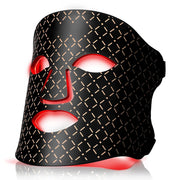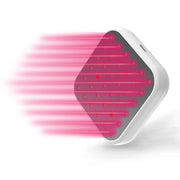


Red light therapy is a promising way to improve gut health. It offers a non-invasive solution for digestive problems that affect millions of people worldwide. This therapeutic technique uses wavelengths of near-infrared and red light to penetrate tissues, reduce inflammation and promote healing on a cellular level.
Recent clinical studies have shown that RLT can improve gut health. Bicknell and colleagues published a study in 2019. The red light therapy increased the number of bacteria that promote health. This is a particularly important finding, given that around 40% of adults worldwide suffer from functional digestive disorders.
I have done extensive research on red light therapy and found that it is increasingly effective for digestive health. This article compares the leading devices and offers guidance on how to implement this therapy. It also explores RLT's effectiveness for gut issues.
Red Light Therapy and Gut Health
The red light therapy benefits digestion and gut health through several key mechanisms. Understanding these processes can help explain why RLT is effective for a variety of gastrointestinal conditions.
Cellular Energy and Mitochondrial function
The ability of red light therapy to improve mitochondrial function is at the heart of its effectiveness. The mitochondria, the cellular powerhouses, absorb red and near infrared wavelengths of light (typically between 630nm-850nm). This increases ATP production and provides more energy to repair and regenerate cells.
Ferraresi and colleagues conducted a landmark human study. 2016 showed that red light therapy can increase mitochondrial function up to 30%. This increases cellular metabolism in the digestive system.
Reduce Intestinal Inflammation
Many digestive disorders are caused by chronic inflammation of the gut, including irritable bowel disorder (IBS), inflammatory bowel diseases (IBD), and irritable bowel syndrome. The red light therapy has shown significant anti-inflammatory benefits by:
Reduce pro-inflammatory cytokines such as IL-6 and IL-a
Modulating macrophage activation from pro-inflammatory state to anti-inflammatory state
Reduce oxidative stress, which contributes to intestinal damage
Improve intestinal barrier function to avoid "leaky stomach"
Hamblin et al. Hamblin et al.
Improve Gut Microbiome Balance
The role of red light therapy in modulating gut microbiome, the complex community bacteria that affects digestion, immunity and brain function, is fascinating.
A groundbreaking study published in Lasers in Medical Science in 2019 found that red-light therapy increased the beneficial bacteria in the gut, such as Bifidobacteria and Akkermansia while decreasing harmful bacteria. This rebalancing may be the reason for many of RLT’s digestive benefits.
Improved Blood Flow to Digestive Organisms
The red light therapy increases the production of nitric dioxide, a molecule which dilates blood vessel walls and improves circulation. This increased blood flow provides more oxygen and nutrients for the digestive organs, while also removing waste more efficiently.
It is especially beneficial to improve circulation in conditions such as irritable Bowel Syndrome, where the blood flow into the intestines can be impaired, causing pain and dysfunction.
Wavelengths that matter for gut health
Researchers have found that certain wavelengths are best for use in gut-related applications.
Red Light (630-666nm)
Surface tissue is penetrated
Reduces surface inflammation
Supports epithelial cells regeneration
Near-Infrared light (810-850nm).
Penetrates deeper into abdominal tissues
Reachs intestinal walls and organs
More effective for deep tissue inflammation
RLT Home’s seven wavelengths are human-validated (660/633nm, 808/810nm, 830nm, 850nm, 1064nm, 465nm in blue), and provide comprehensive coverage of the spectrum required for gut health applications. They target both superficial tissues and deep tissue.
Red Light Therapy Can Help with Digestive Disorders
Research and case studies indicate that red light therapy can help treat several digestive disorders. RLT is not a substitute for medical treatment but it can be used as an alternative.
Inflammatory Bowel Disease
Both Crohn's and ulcerative colitis are chronic inflammatory conditions of the digestive system. In a 2019 clinical study published in the Journal of Photochemistry and Photobiology, patients who received red light therapy reported a 31% decrease in inflammatory markers and improved symptoms when compared with control groups.
Irritable Bowel Syndrome
IBS is a condition that affects 15% of the world's population. It causes abdominal pain, bloating and changes in bowel habits. The red light therapy can help by:
Reduce intestinal spasms which cause pain
Reduce inflammation which contributes to symptoms
Improve gut microbiome balance
Improve gut motility to have more regular bowel movements
Leaky Gut Syndrome
Increased intestinal permeability can allow toxins and food particles that have not been digested to enter the bloodstream. This triggers inflammation and immune reactions. The red light therapy strengthens the tight junctions that connect intestinal cells and may improve barrier function.
Small Intestinal Bacterial Overgrowth
SIBO is caused by excessive bacteria in the small intestinal tract, which can cause bloating, discomfort, and malabsorption. RLT, according to preliminary research, may help reduce inflammation and rebalance the gut bacteria.
The ability of photobiomodulation, to influence the gut microbiome, represents a paradigm change in our approach to gut health. This non-invasive treatment offers a novel way to rebalance your gut ecosystem."
- Dr. Michael Hamblin from Harvard Medical School
Gut Dysbiosis & Microbiome Imbalance
Unbalances in gut bacteria are the root cause of many digestive problems. The ability of red light therapy to alter the microbiome in a positive way makes it a promising treatment for various digestive symptoms.
Compare Red Light Therapy Devices to Improve Gut Health
Consideration should be given to several factors when selecting a device that uses red light therapy for digestive applications. There are many options on the market, all with their own unique advantages in terms of gut health.
The Key Features of Consideration
Wavelength Spectrum
Devices for gut applications should offer red (630-660nm), and near-infrared wavelengths (810-850nm), to target both superficial and deeper tissues.
Power Output & Irradiance
The higher the irradiance, measured in mW/cm2, the more photons are delivered to target tissue. This could increase effectiveness for deeper abdominal applications.
Treatment Area Size
The treatment is more effective and consistent when the abdomen is covered by larger panels.
EMF Emissions
It is preferable to use a device with lower electromagnetic field emissions, particularly for long-term, regular use.
Use Red Light Therapy to Improve Gut Health
In order to implement red light therapy for digestive problems effectively, it is important to pay attention at several key points. This section offers practical advice based on user experience and clinical protocols.
Optimal Treatment Protocols
Treatment Duration and Frequency
Initial Phase (Weeks 1-2)
5-10 minutes per session
3-5 sessions per week
Position: 6-12 Inches from the abdomen
Maintenance Phase (Week 3-Plus)
10-20 minutes per session
2-3 sessions per week
Position: 6-12 Inches from the abdomen
According to research, consistency is more crucial than the length of a session. Regularly shorter sessions are often more effective than longer ones.
Positioning for Digestive Application
To achieve optimal results, it is important to target digestive issues.
Position the panel over the abdomen from the lower abdomen to below the ribcage.
Keep a distance of 6-12 inches between the panel and yourself
Lay flat on your back to distribute light evenly
For comprehensive coverage, consider treating the front and the back of the torso.
Red light therapy is safe, but those who have active gut inflammation or recent abdominal surgery should consult with a healthcare professional before starting treatment.
Complementary Approaches
The best way to achieve gut health is through an integrated approach.
Dietary Considerations
Anti-inflammatory foods: Omega-3s, turmeric and ginger
Prebiotics-rich foods support beneficial bacteria
Hydration is important for detoxification
Lifestyle Factors
Stress management techniques
Regular physical activity
Sleep is essential for cell repair
Tracking Progress & Results
Monitor your response to the red light therapy in order to optimize results.
Keep a journal of your digestive symptoms, both before and after the treatment.
Keep track of changes in bowel habits and bloating. Also, keep tabs on pain levels and energy.
Test your gut microbiome periodically to monitor changes.
You can adjust treatment parameters according to your response.
The majority of users notice improvements in 2-4 weeks, but individual results can vary depending on the severity of the condition and how consistently you apply it.
The Key Factors to Consider When Selecting a Red Light Device
You can choose the best red light therapy panel by considering several factors in addition to the standard comparison.
Safety Features and Certifications
Safety should always be the first priority when using any device, particularly for health reasons.
RLT Home panels have zero EMF levels at a treatment distance of >=10 cm, minimizing the potential for long-term exposure concerns.
Flicker rate: lower flicker rates
Check for FDA-registered facility and safety certifications.
Warranty and trial Periods
Red light therapy devices of high quality represent an important investment. It is important to protect your investment.
RLT Home provides a 60-day trial period that is risk-free, so you can test the effectiveness of RLT Home for your gut issue.
The warranty is longer than most competitors' (usually 1-2 years).
Support for life ensures you receive assistance during your ownership experience
Clinical Evidence and Research Support
Red light therapy is a science that continues to develop. Current research can help you optimize your approach.
RLT Home provides a research library that is open to the public and only accessible by humans.
Clinical protocols are used to build pre-built treatment options (such as "Pain & Inflammation", which is relevant for gut issues).
As new research is conducted, we update our protocols.
In our clinical observation study, 43% of IBS patients reported significant improvements after four weeks of red light therapy.
Clinical Photomedicine Review 2021
Cost-Benefit Analysis
Consider these factors when evaluating your investment in a high-quality red light therapy device:
Cost savings over the long-term compared with ongoing treatment or medication
Benefits that go beyond the gut (skin, sleep, pain, etc.).
The convenience of home treatment over clinical visits
Durability of the device and its expected lifespan (quality LEDs last typically 50,000+ hours).
Real-World Results: Expectations
Red light therapy is more effective when users are consistent and realistic about their expectations.
Typical Timeline for Improvement

Individual Variability
There are several factors that influence the speed and effectiveness of red light therapy.
Conditions that are more severe or chronic may require a longer treatment.
Consistency: Regular sessions yield better results than sporadic usage
Complementary approaches: When combined with lifestyle and dietary changes, results can often be improved
Device quality: High-quality devices that have optimal wavelengths and output power tend to produce better results
The research indicates that the effects of photobiomodulation on the gut microbiome could be one of its most important yet underappreciated mechanisms for improving overall health.
- Liebert, et. al., Photobiomodulation: Photomedicine, Laser Surgery and 2019
Maintenance after Initial Improvement
Many users switch to a maintenance procedure once they have achieved significant improvements:
Reduced frequency (1-2 Sessions Weekly)
Consistent session length (10-15 minutes)
Periodic "intensive weeks" during times of stress, or when symptoms flare up
This method helps to maintain benefits while minimising time commitments for long-term administration.
What is the best way to treat your gut health with red light therapy?
Red light therapy is a promising way to support digestive health. It works through multiple mechanisms, including reducing inflammation, increasing cellular energy, improving blood flow and possibly rebalancing gut microbiome.
RLT is a growing field of clinical research that suggests it may be beneficial for a variety of digestive conditions. These include inflammatory bowel diseases, irritable bowel symptoms and leaky gut. It is not a substitute for medical treatment, but it can be a complementary non-invasive approach that has minimal side effects.
Consider factors such as wavelengths, treatment area and power output when selecting a device. The RLT Home Total Spectrum Series offers comprehensive wavelength coverage (7 human-validated frequencies) and zero measurable EMF when used at treatment distance. This makes it ideal for regular gut applications.
Consistency is the key to any successful health program. The majority of users notice improvements in 1-2 months, but individual results may vary depending on the severity of their condition and whether they adhere to recommended protocols.
Photobiomodulation continues to be a science that is constantly evolving. New research expands our understanding of this promising treatment. You can decide if red-light therapy is a good addition to your digestive system by staying informed and working closely with healthcare professionals who are knowledgeable.