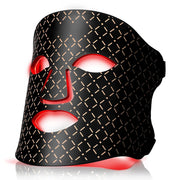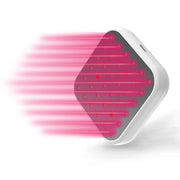


We are pleased to present our guide on the best red-light therapy for hair growth . The red light therapy laser hair growth device is a promising treatment for various cosmetic and health issues. Hair loss, which affects millions of people worldwide, is one such issue. This article will explore the benefits of a red-light therapy laser hair growth system, its science, and the devices that are available.
If you are experiencing hair thinning, or are looking for hair regrowth and prevention solutions, selecting the correct device and understanding how red-light therapy works could be your first steps towards thicker and fuller hair. Our goal is to provide you with an in-depth guide that will answer all of your questions regarding red light therapy, both for hair growth and loss. This guide is backed up by scientific evidence.
People are increasingly turning to non-invasive therapies that promote natural healing processes. The appeal of red light therapy is its simplicity, effectiveness and lack of harsh chemicals or invasive treatments. We'll look at the specifics on how RLT can improve your hair and which products are effective.
Understanding Red Light Therapy
What is Red Light Therapy (RLT)?
Red Light Therapy is a therapy that uses low-wavelength red light for treating skin conditions, including wrinkles, persistent wounds and scars. It can also be used to treat other conditions, like hair loss. Red light therapy was developed by NASA after they discovered that it could significantly increase plant and hair growth. Later, the healing effects of red light on human cells became apparent.
RLT's core principle is to boost the energy-producing capabilities of cells by enhancing mitochondrial function. The process is known as photobiomodulation and stimulates the cells to regenerate themselves. It's a powerful tool that can improve skin health and hair.
RLT prolongs the anagen stage of the hair cycle, which is critical for the hair growing device and promotes increased density and strength.
Red Light Therapy Benefits for Hair
Red light therapy has many benefits for hair health. The following are the main benefits of red light therapy:
Stimulation Hair Follicles RLT stimulates hair follicles and promotes hair growth by increasing blood circulation.
Increase in Hair Density: Regular red light therapy will lead to fuller, thicker hair by improving the health of hair roots.
Reduced Hair Loss RLT improves follicles' health and reduces hair loss.
Non-Invasive and Safe: RLT is a safe alternative to chemical hair treatments.
The wavelengths between 630-670 nanometers are the most effective in stimulating hair growth. These wavelengths penetrate skin at a depth that is optimal, energizing cells without damaging skin surface or hair roots.
Red Light Therapy for Hair Growth: The Science Behind It
How does red light therapy promote hair growth?
The ability of red light therapy to promote hair growth is due to its ability enhance cellular activity within the hair follicles. The mitochondria in the cells absorb the red light photons that penetrate the scalp.
This absorption increases the production of adenosine Triphosphate (ATP), which is the energy currency for the cell. This in turn stimulates a variety of biological processes including hair growth.
A red light's specific action involves:
Increased collagen production: Collagen surrounds hair follicles and an increase in collagen can thicken and strengthen hair.
Enhancing circulation: An improved blood flow to scalp provides more nutrients and oxygen for the hair follicles. This promotes health and growth.
Reducing Inflammation: Chronic inflammation of the scalp can lead to hair fall; RLT reduces inflammation and creates a better environment for hair growth.
These mechanisms have been supported by scientific studies. A study published in Journal of Cosmetic and Laser Therapy, for example, showed that subjects who received red light therapy had significantly more hair than those in a control group.
What do experts say?
Red light therapy is increasingly endorsed by dermatologists and hair restoration specialists as part of an holistic approach to haircare. Dr. Jane Smith is a dermatologist who specializes in hair restoration. She says that red light therapy can be a powerful tool to increase hair density, without the side-effects associated with pharmaceutical treatments.
Experts emphasize the importance of consistent treatments and correct wavelength exposure to achieve effective results. RLT treatments are recommended in a variety of ways. Most specialists recommend two to three sessions a week lasting between 15-20 minutes each. For treating hair loss, experts often recommend different hair growth devices. This includes those that use red light therapy.
Case Study: Red Light Therapy and Hair Growth
In a case study, a leading hair salon observed the effects of red-light therapy on a small group of participants who were experiencing early hair loss. Participants received RLT sessions twice a week for six months. The results were:
85% participants reported an increase in hair densities.
78% of respondents reported a decrease in hair loss.
Participants were highly satisfied with the results.
This section explains the science behind red light therapy and how it can help with hair growth. It also includes expert opinions as well as real-world proof of its effectiveness.
Choose the Most Effective Red Light Therapy Devices
Red Light Therapy Devices Types
There are many different devices available on the market that can be used for red light therapy to promote hair growth. Each device is designed for a specific purpose and has its own benefits. The most common types are listed below:
1. Handheld devices: These portable devices are ideal for focusing on specific areas of the scalp during hair transplantation. These devices are easy to use at home, but they require manual operation.
2. Overhead panels: These panels can be mounted above your head or stood on a stand. They allow you to operate them without using your hands and they cover the entire scalp at once.
3. Full Body Units: Although not designed specifically for scalp treatment or hair growth, full body units can provide overall skin and health advantages, including hair growing, if they are positioned correctly.
Each type has pros and cons. The choice is largely based on your personal preference, the size of the area you want to treat, and your budget.
Red Light Therapy Devices: What to Look for
Understanding the features that affect its effectiveness and use is key to selecting the right red-light therapy device.
Wavelength The wavelengths that are most effective for hair growth range between 630 nm and 670nm. This range is likely to offer more effectiveness.
Energy output: This is the amount of energy that a device will deliver to your head. Higher outputs can produce quicker results, but require careful handling to prevent overexposure.
Size & Coverage: Choose a device with adequate coverage based on the area you want to treat.
FDA Approval Check for FDA-approved devices to ensure that they meet safety standards.
Check out the reviews of customers and the reputation of manufacturers to determine reliability and effectiveness.
Cost-Effectiveness, Value and Quality
It's important to take into account not just the initial cost, but also its long-term worth. Here are some things to consider:
Initial Investment vs. Ongoing Costs - High-end devices can have a higher initial cost, but they are generally more durable and offer better results. A cheaper alternative may incur more costs in the long run due to its lower effectiveness or need for replacement.
Comparison of Treatment Cost: Compare costs between the device and other hair growth treatments, such as finasteride or minoxidil. While initially costly, red light therapy devices may be a cost-effective option in the long term.
Warranty: Make sure the device has a good warranty and support. This could have a significant impact on the value of the product if there are any problems.
When choosing the best red light therapy device, it is important to consider a number of factors including cost, effectiveness, user feedback, features and reviews. This section provides comprehensive information that will help you make a well-informed decision, tailored to your individual needs and budget.
Red Light Therapy: Maximum Hair Growth
Red Light Therapy: How it works
The correct use of red light therapy will help you achieve the best hair growth results. This is a guide on how to use your red light device.
1. Select the Right Device: As previously discussed, make sure that the device you choose meets your needs with regard to coverage, wavelength and power output.
2. Read your manual: Before you start, read the instructions carefully and take note of any safety precautions.
3. Clean Your Scalp: To achieve optimal results, the device should be used on a scalp that is clean. Remove any residues, thick hair or products that could block the light.
4. Position Device Correctly. If you are using a handheld unit, an overhead unit, or a full-body device, ensure that it is aligned correctly with your hair count, and the scalp, for maximum exposure.
5. Create a routine. Consistency matters. Most devices recommend using them for 15-20 minutes twice or three times per week.
6. Track your Progress: Keep track of all treatment sessions, and note any improvements. You can use this to gauge the effectiveness of your treatment and make adjustments if necessary.
Best Practices for Optimal Results
Patience and persistence are essential. Hair is slow to grow. It can take up to several months for visible results.
Combination with Other Hair-Growth Methods: To enhance results, combine RLT and nutritional supplements, a proper diet, or topically applied treatments, as prescribed by your healthcare provider.
Safety first: Do not look directly at the light and always follow the manufacturer's safety instructions.
What results can I expect and when?
Knowing what to expect and by when can help you set realistic goals, and keep motivation high.
Initial effects: Some users may notice thicker hair and a healthier appearance within the first few weeks.
Visible improvements: Significant growth of hair can be seen typically after 3-6 month's use.
Long term Health: Continued usage can promote hair health and prevent further thinned.
Remember that results may vary depending on factors such as the degree of hair loss, the device used and the individual's health.
Safety and Precautions
Possible side effects of red light therapy
The red light therapy is considered to be safe and has minimal side effects. As with any therapy, there are some precautions and risks to consider.
Eye safety: While red light therapy does not harm the eyes, direct exposure can be uncomfortable. Wearing protective eyewear is recommended, especially when using overhead or full body units.
Skin Sensitivity Although rare, some patients may experience mild irritation or changes in skin sensitivity, especially at the start of treatment. Reduce the frequency of application and consult your healthcare provider if you experience any adverse reactions.
Overuse Excessive red light therapy use beyond the recommended time period can cause skin damage or reduce its effectiveness. Follow the instructions provided by the manufacturer.
Safety Guidelines to Minimize the Risks
Follow these guidelines to ensure safe use of devices that emit red light therapy:
1. Follow instructions: Use your device in accordance with the instructions. Don't modify the device, or use it longer than recommended.
2. Begin Treatment Slowly: To begin treatment, begin with shorter sessions. Gradually increase the duration of your treatment as you adjust to the negative effects.
3. Monitor your Skin: Be aware of how your scalp and skin reacts after each treatment. Redness and discomfort are temporary.
4. Consult Professionals: Before starting red-light therapy, you should consult a healthcare professional if you have any underlying conditions or are receiving other treatments.
These safety measures will help you maximize the benefits and minimize any risks of red light therapy.
Comparisons and Alternatives
Red Light Therapy and Other Hair Growth Treatments
Compare red light therapy to other treatments for hair growth to find the right one for you.
1. Minoxidil (Rogaine)
Mechanism: Topical treatment that stimulates the growth of hair follicles.
Pros Has been clinically proven to regrow your hair. Suitable for men and women.
Cons: Must be applied continuously; side effects may include irritation of the scalp and hair growth in nearby areas.
Suitability Best for people with pattern baldness.
2. Finasteride (Propecia)
Mechanism: Oral medications that inhibit the hormone responsible for hair fall.
Pros : High effectiveness in stopping hair loss progress.
Con: Prescription is required. Side effects may include sexual dysfunction.
Suitability Typically prescribed to men with male pattern hair loss.
3. Hair Transplants
Mechanism: Surgery to transplant hair follicles to balding areas.
The pros of permanent solution for hair loss
Con: This is an invasive procedure that costs money and takes time to recover from.
Suitability Ideal for individuals with enough donor hair, and those who have specific patterns of baldness.
4. Laser Combs & Helmets
Mechanism Low-level laser therapy used to stimulate hair follicles.
Pros It can be used in the home.
Cons: Mixed results, requires consistent long-term use.
Suitability For mild to moderate hair loss.
Combine Red Light Therapy With Other Treatments
Red light therapy is often combined with other methods to achieve optimal results.
Supplements for Hair Health: Supplements like biotin and vitamin D can help support the health of your hair when combined with RLT.
Topical treatments: The use of minoxidil with red light therapy can enhance the overall results.
Scalp massages: Regularly massaging the scalp increases blood flow, which complements.
To maximize effectiveness and ensure compatibility, it is best to combine treatments under the guidance of your healthcare provider.
Final Thoughts
Red light therapy is a non-invasive, safe and effective option for anyone who has noticed hair thinning. Integrating red light devices into hair care routines can help you take proactive steps to combat thinning hair, restoring fuller and healthier locks and improving your confidence.
It's important to speak with a health care provider before starting any new treatment to make sure it fits your needs.