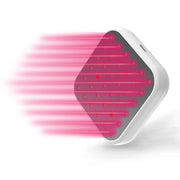


Millions of Americans experience inflammation, but what is it exactly? This article provides an overview on inflammation, including types, causes and symptoms. Also, we examine how red-light therapy can promote balance, improve cellular functions, and support your body's reaction to pain and inflammation.

What is inflammation
Inflammation is something you've probably seen before: a part of the body becomes redder, warmer, swollen and painful in response to an infection or injury. It's important to understand that inflammation is not just a sign. Inflammation occurs in all living things. Inflammation is your body's response to danger. Your immune system uses inflammation as a first line of defense against bacteria, irritation and cell damage. If inflammation is a persistent problem, however, this can lead to diseases and other dysfunctions in the body.
What causes inflammation?
Stress can cause inflammation. Inflammation can be caused by physical factors such as injuries, wounds, bruising, burning, or splinters. It can also be caused by biological factors such as stress and infection. Alcohol, chemical irritants and toxins can trigger inflammation.
Inflammation can occur in our bodies as a result of environmental factors, such as inadequate sleep, bad nutrition, dehydration and toxic exposure. These environmental factors may contribute to the development of chronic inflammatory conditions with serious health consequences.
The signs and symptoms of inflammation
Heat, redness and swelling are the five classic symptoms of inflammation. Pain, loss of functionality, and heat also make up this list. The chemicals bradykinin and histamine, which your body produces to alert your nerves of danger are responsible for pain. The clinical evidence shows that depression and inflammation are both linked.
What is the difference between acute and chronic inflammation?
All inflammation may not be harmful to your health. An acute inflammation may help the body heal from an injury or other problem. Normal inflammation is triggered by stress and injury within hours. It works to remove damaged tissues and begin the healing process. The inflammation will fade away once the strain or injury has healed.
The cause of chronic inflammation is usually a combination of frequent, persistent inflammation as well as viral infections, immune reactions, repeated tissue damage and unremoved foreign objects. Chronic inflammation is painful, can lead to a variety of conditions such as arthritis, sagging skin, gut problems, or even an increased risk of cancer. Chronic inflammatory diseases are extremely common. They may also be at the root of other illnesses like diabetes, strokes, heart problems, or cancers.
Current Inflammation Treatments, Risks, & Side Effects
Nonsteroidal anti-inflammatory medications are often used to treat inflammation. Aspirin, ibuprofen and other over-the counter medications that are supposedly lower risk can be used to treat acute pain symptoms. People often use prescription NSAIDs to treat chronic inflammation. However, these drugs have been linked with kidney problems and other risks, especially for those over 60.
These established treatments for inflammation tend to only treat the symptoms, such as pain or swelling. They do not address the root causes of inflammation like tissue repair, cellular function and biological imbalance.
It's no surprise that, given the prevalence of inflammatory diseases and limitations in existing treatment options, many people look for alternatives to NSAIDs or pharmaceuticals as a way to manage chronic pain and inflammation. Diet, exercise and sleep play an important role in maintaining the balance of your body, preventing chronic inflammation. A healthy light exposure also helps cells repair themselves, regenerate and produce energy. Next, let's look at the role of light and red light therapies in supporting the cell response to pain and inflammation.
Red Light Therapy For Pain Relief and Inflammation Management
The use of red light therapy is part of an overall healthy lifestyle. It can support cellular health and balance. Healthy light exposure, like exercise, a nutritious diet, and sleep can help manage inflammation and pain.
What is Red Light Therapy (RLT)? The red light therapy is also called photobiomodulation or low-level laser therapy. It's a non-invasive, simple treatment which delivers wavelengths near infrared and red light (NIR) to skin cells. Red light therapy is a term used to describe treatments that use light-emitting devices (LEDs), which deliver wavelengths of NIR and red light to skin cells. Learn more about red light therapy by clicking here.
Red Light Therapy And Inflammation
The red light treatment helps supply your mitochondria with the necessary light to produce the ATP that fuels your body. Red light therapy is a way to complement the natural sunlight that a person receives with wavelengths of concentrated red and NIR.
In summary, Dr. Hamblin says that red light and near-infrared lights act as a mild stress which activates the protective mechanisms of cells. Red light penetrates the cells and reaches them through the skin. This causes mitochondria to produce energy more effectively. It increases the healing properties of anti-inflammatories, antioxidants and other healing substances.
How Does Red Light Therapy Work?
The red and NIR spectrums help balance inflammation by increasing cellular energy, and reducing oxidative stresses. As shown in many peer-reviewed scientific studies, wavelengths of NIR and red light can stimulate mitochondrial respiration, the energy source of cells, and optimize the process of cellular metabolism that produces ATP. This can increase function and speed healing and reduce discomfort.
The red light therapy can also help to relieve arthritis pain and inflammation by increasing blood flow in damaged tissue. The whole body can work better with less inflammation and improved circulation when cells are given the light that they require.
Conclusion
No matter your age or state of health, everyone should know about inflammation, and strive to achieve greater balance biologically in their life. Our health and wellbeing depend on the body's response to danger. Inflammation, therefore, is an essential and natural part of our lives. Chronic inflammation can be a health risk and limit our daily activities.
The red light therapy promotes cellular homeostasis, which is the production of energy efficiently. Red light therapy, when combined with an active lifestyle, can positively impact your body's response to inflammation. Inflammation is less likely when you receive the light that you need for energy production and to perform well. Take our quiz to determine the best device for you if you want to start your journey of red light therapy or use red light for inflammation and pain.