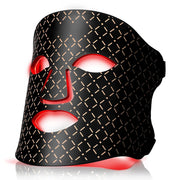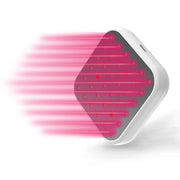


The use of red light therapy to treat pain, inflammation and muscle recovery has grown in popularity. This non-invasive therapy is claimed to improve recovery times, heal wounds, and enhance results in equine rehab.
Photobiomodulation, also known as red light therapy (PBM), is the process of exposing cells, primarily to near-infrared light (NIR), to certain wavelengths of light to stimulate natural cellular functions. This modality is claimed to improve blood circulation, reduce tissue damage, and help with tissue repair.
The scientific evidence for red light therapy is still limited. Most experts view red light therapy more as an investigational or complementary option than a treatment that has been proven. They also emphasize the importance of additional research to determine its efficacy and best practices for equine health.

Photobiomodulation of Horses
Photobiomodulation, also known as cold laser therapy or red light therapy and low-level laser treatment (LLLT), is a light-based form of therapy that involves exposure to specific wavelengths.
The PBM uses red light (630nm wavelength), and near-infrared light (760-1400nm wavelength), to penetrate tissue at different depths. NIR light is used to target deeper tissues like muscles and joints. Red light affects surface tissue.
Red light (630 nm), which is used to treat surface conditions, such as minor skin irritations or minor bruisings, can improve healing. The deeper penetration of NIR (760-1400 nm) light may be beneficial for other health issues such as tendon and ligament issues.
The Photobiomodulation therapy (PBM) is thought to be effective by activating the mitochondria in the treatment area. This increases the production of ATP, which serves as the primary energy source for the cell. According to the theory, an increase in ATP can enhance cellular repairs, reduce inflammation and improve circulation. This may help with pain relief, injury healing, and cell metabolism.
Evidence of the efficacy and effectiveness of red light therapy in human medicine is now emerging, both for equine and human medicine. Further research is required to fully understand the potential of red light therapy as a rehab modality and to confirm its effects on cell metabolism.
Red Light Therapy:
Although there is no scientific evidence to support the effectiveness of PBM therapy for horses, its non-invasiveness appeals to many owners and caregivers. Equine rehabilitation veterinarians are now using red light therapy as an adjunct to other physiotherapy methods.
PBM can be used in horses for a variety of reasons:
* Pain relief
* Injury recovery
* Performance recovery
Most veterinarians don't recommend red light therapy alone. This modality can support treatment outcomes but should only be used in conjunction with established and validated medical protocols.
Inflammation & Pain Reduction
Horses, especially performance horses or older horses, suffer from chronic inflammation and pain due to conditions like chronic pain, arthritis or past injuries. The red light therapy may offer pain relief and anti-inflammatory properties, as well as reduce the need for medication.
These physiological changes may also promote tissue healing and recovery if the red light therapy is able to increase circulation and reduce oxidative stress. Further research is needed to confirm the effects.
Injury Recovery
The red light therapy may help to reduce the healing time of soft tissue injuries by encouraging faster cellular repairs. This therapy may help in cases of muscle, ligament or tendon strains. It is thought to improve performance for horses.
Red light therapy can be beneficial for a variety of injuries, including muscle sprains and tendon tears.
Performance Maintenance and Muscle Recovery
Regular red light sessions can be used to prevent injury in equine athletes by reducing stiffness and supporting muscle recovery. Horses that participate in high-impact activities, such as show jumping, racing and dressage, are subjected to significant muscle and joint strain.
Red light therapy can improve circulation and support muscle recovery. Some owners and trainers include it in their post-workout routine to help with major muscle groups.
Specific Conditions
The red light therapy is being considered as a potential supportive treatment both for acute and chronic conditions. Some preliminary studies suggest that red light therapy may help repair tendon and ligament injury, manage arthritis and possibly enhance wound healing. The evidence is not conclusive yet, and further research is required to fully understand the benefits.
While red light therapy is considered low-risk by many veterinarians due to its noninvasive nature, it's important to note that standard, validated protocols have not yet been established. This treatment is not intended to be used as the sole medical intervention for any condition.
Consult a veterinarian immediately if you notice any signs of illness or injury in your horse.
Tendon & Ligament injuries
Exercise can cause tendon and ligament injury in horses, particularly those who are involved in performance disciplines. The delicate nature of the injured area, the limited blood supply and the long recovery time can make these injuries difficult to manage.
Red light therapy can be used as a complement to other treatments. Its goal is to promote cellular repair while reducing inflammation.
Joint & Arthritis Conditions
Arthritis can have a significant impact on the quality of life for older horses.
The red light therapy is being investigated as a complementary option to conventional treatments like NSAIDs. It is believed that the therapy works by increasing blood circulation to affected joints. This may improve joint mobility and function.
Wound Healing & Scar Reduction
Horses are prone to cuts, scrapes and other superficial wounds. The red light therapy may accelerate wound healing through improved blood flow, tissue repair and reduced oxidative stress.
This therapy may also promote collagen production which could reduce scarring, and improve outcomes. More research is needed to confirm that red light therapy has an impact on collagen synthesis.
Safety & Efficacy
Horses are generally considered safe to use red light therapy. It's important to consult a veterinarian before administering the treatment to your horse to ensure it is done correctly.
Wearing protective eyewear is recommended during PBM sessions in order to prevent ocular injury. Limiting the exposure time per session can also help to reduce skin irritation.
Red light therapy is a treatment that has been shown to be effective in humans, but its application in equine medicine requires further research. Serious conditions, such as bone fractures or major tendon tears, require immediate medical intervention. Red light therapy does not replace veterinary care.
When using red light therapy, it is important that horse owners and caregivers manage their expectations. This treatment is beneficial, but it does not cure everything. Results can vary from horse to horse, especially if the condition is chronic. Some horses may show significant improvement, while others may not.
Red light therapy is an important part of a comprehensive plan for care that should include veterinary care and physical therapy. This holistic approach will help to ensure that horses get the most out of all treatments.
Procedures
The duration of red light therapy sessions can vary from 20 to 30 mins, but the exact time depends on the practitioner. Daily sessions can be beneficial for acute injuries such as soft tissue damage and strains.
For chronic conditions such as arthritis, treatment spaced out a few weeks apart could be more effective. The frequency and duration should be adjusted to the individual horse's needs.
PBM practitioners suggest using red light therapy regularly to achieve the best possible results, especially in cases of chronic injury or pain. The best way to maximize this modality is by monitoring progress and consulting a veterinarian who specializes equine physical therapy.
Eye protection is a safety concern during PBM treatment. Eye protection is important for both the horse and the handler during treatment sessions, especially when NIR lights are used.
Red Light Therapy and Equine Rehabilitation
The treatment plan should be tailored according to the horse's needs, taking into account its general health, level of activity, and any specific issues. Together with your vet, create a rehabilitation plan that addresses all of these factors.
Complementary Therapies
The red light therapy can be combined with other treatments for horses, including massage, chiropractic treatment, and physiotherapy.
It is believed that this therapy could increase blood flow and relax muscles, which may support the effectiveness other therapies.
It is believed that its application either before or after chiropractic adjustment could support joint mobility and reduce swelling. Red light therapy is often used in physiotherapy to promote recovery and support muscular function. This is especially important for horses that are returning to work following an injury.
More research is required to confirm the potential benefits. Treatment plans should be designed in consultation with veterinarians to meet each horse's specific needs.
Cost
Costs of red light therapy can vary depending on if owners opt to purchase equipment or hire professional services. The cost of individual devices such as handheld units and wearable wraps can range anywhere from several hundred dollars to several thousands. Prices are determined by factors like quality, features and light intensity. The higher-end models could have a stronger output, adjustable settings and greater durability. This would be beneficial for treating large areas or chronic conditions.
The cost of professional treatments varies depending on the treatment and the location. Package deals are offered by many practitioners for multiple sessions. This can help to manage costs, especially for chronic or long-term conditions that require ongoing treatment.
Consult your veterinarian before purchasing a device that emits red light for use at home. This will help you determine which option is best for your horse.
Limitations
Red light therapy can be used to treat a variety of equine ailments, but it does have limitations.
This treatment is not suitable for:
* Severe infections
* Open wounds
* Lameness not assessed by a veterinarian
* External parasite control
The following areas of the body should also be avoided when using red light therapy:
A pregnant uterus
Testicles
Cancerous tumors
Eyes
The growth plates of growing young foals
Endocrine glands like the thyroid
Serious conditions may require immediate veterinary treatment. The red light therapy can help improve treatment outcomes but it should never replace medical treatment.
Some of the more severe conditions include:
*Fractures
* Large lacerations
* Significant ligament injuries
* Significant tendon injuries
Red light therapy is often used to treat chronic conditions, such as arthritis and lameness. This plan could include medication, joint supplements and physical therapy.
Individual horses can respond differently to the red light therapy because of variations in physiology or specific conditions. Some horses may show noticeable improvements, while others might not.
It is important to understand these limitations so that the red light therapy can be used as an adjunct treatment in conjunction with essential veterinary care, rather than as a standalone treatment.
Conclusion
Red light therapy, a noninvasive treatment using red and near infrared lights to promote recovery, has been shown to be effective alongside traditional veterinary treatments for equine patients.
* Red light therapy is a treatment that uses light wavelengths specific to the red light spectrum. It can promote cellular healing, reduce inflammation and improve blood flow, which could promote soft tissue injuries and help muscle recovery.
* It's best to use it as part of an overall care plan, which includes medications, physiotherapy and good nutrition.
Further research is required to determine the optimal protocol.
* The red light therapy is not suitable for serious infections, open sores or fractures that require immediate veterinary assistance.