

Patients and professionals alike face a challenge when it comes to treating melasma. This common skin condition is characterized by dark patches of discoloration. Red light therapy is a promising treatment for melasma. It offers skin rejuvenation, without the side effects of some traditional treatments. This innovative treatment uses specific light intensities in order to increase ATP production within the skin cells. It aims to reduce pigmentation, and improve skin appearance. Understanding the role of red-light therapy in treating melasma is important as individuals look for non-invasive, safer treatments.
This article explores the causes and fundamentals of melasma, helping to shed light on this skin condition that affects so many. The article then explores red light therapy in detail, examining its effects on skin conditions such as melasma, how it is applied using LED devices and the science behind it. It also addresses questions such as, "Can red light therapy worsen melasma?" and offers insights into scenarios of "red light treatment melasma after and before" scenarios. The book examines the safety, efficacy and potential of red-light therapy as a noninvasive treatment. It offers readers a thorough understanding of the benefits and limitations of this treatment.
Understanding Melasma, its Causes and Treatment
What is Melasma ?
Melasma appears as brown or gray-brown patches on the face. These patches can be found in the cheeks, the chin, the forehead, the nose bridge and the area above the upper lip. Melasma is more common in women than men, and it's most prevalent during pregnancy.
Factors leading to Melasma
Melasma is caused by a variety of factors. About 50% of people report a positive family background. UV radiation can aggravate melasma because it stimulates melanocytes into producing excess melanin. Melasma is also triggered by hormonal influences, especially during pregnancy, oral contraceptives, or hormone therapy. Cosmetics, antiseizure drugs and phototoxic drugs are also contributing factors. Melasma is more common in people with light brown skin from areas with a lot of sun exposure.

What is Red Light Therapy (RLT)?
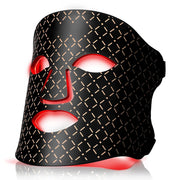
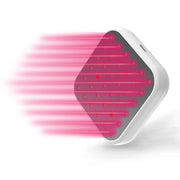
Red Light Therapy is a non-invasive, natural healing modality which uses specific wavelengths to stimulate beneficial processes within the body. The therapy uses LED devices that deliver red and near infrared light to the skin. It is painless and completely safe. The wavelengths of the therapeutic light range from visible through to invisible. This allows for deep penetration and energizes the mitochondria in the cells, which is the "power station" within the cell.
How Red Light Therapy works
RLT's effectiveness is based on its ability stimulate mitochondria in cells. Cells gain energy by enhancing mitochondrial functions, which helps in various cellular processes, such as skin repair and rejuvenation. RLT has been shown to increase collagen production, boost cell growth and reduce inflammation.
Wavelengths used by
RLT uses a variety of wavelengths, each with a different therapeutic purpose. Treatments that target skin problems commonly use wavelengths like 630nm and 660nm. These wavelengths are used to reduce melanin and treat hyperpigmentation while minimizing thermal damage. Selecting the right wavelengths and intensities is important to avoid unwanted effects such as overheating, increased pigmentation or skin damage.
How Red Light Therapy Treats Melasma
Red Light Therapy is a multi-faceted treatment for melasma. It works primarily by promoting healing and rejuvenation on a cellular level.
Cellular Healing
RLT improves the mitochondrial function of skin cells. This is crucial for energy production and cellular health. RLT can help repair and rejuvenate damaged skin cells by boosting ATP. This can reduce the appearance of melasma.
Reducing inflammation and improving circulation
It also contains anti-inflammatory agents that help reduce the redness of the skin, and irritation caused by melasma. RLT also improves circulation which ensures skin cells receive oxygen and nutrients. This helps in the healing process as well as the reduction of pigmentation.
Increasing Collagen Production
RLT also stimulates the production of collagen, which is essential to maintaining skin structure and elasticity. By improving the skin's texture and firmness by increasing collagen, it can reduce the appearance of melasma.
Red Light Therapy is a non-invasive, effective treatment for melasma.
Safety and effectiveness of red light therapy for melasma
Safety Issues are Addressed
Red Light Therapy is widely recognized as safe when the proper protocols are adhered to. The main concern is the possibility of hyperpigmentation when incorrect wavelengths and intensity are used. To minimize the risk of skin heating, which can lead to adverse reactions like an increase in inflammation, it is important to use RLT with controlled light intensity. Avoid higher intensities (above 100mW/cm2) as they can cause skin hyperthermia, among other side effects. Near-Infrared light (NIR) is also often misunderstood as a way to increase hyperpigmentation. However, with the correct application, NIR has been shown to effectively treat melasma with very little thermal impact.

Studies on the Effectiveness of
RLT is effective in treating melasma, but the results may vary depending on the light parameters used. Certain wavelengths, such as 630nm and 585nm and 850nm modulate the components of melanocytic pathways, resulting in a significant reduction of melanin when used with radiant exposures ranging from 1 to 20J/cm2. This research highlights the importance of choosing the right wavelength and dosage for melasma treatments. Avoiding triggers such as unprotected sun and blue light during the same day that RLT treatments are administered can enhance effectiveness by preventing hyperpigmentation.
Summary
Red light therapy is a safe and effective option to manage melasma. It combines non-invasiveness with efficacy and minimal side effects. Red light therapy is a beacon for those who are affected by this stubborn skin condition. It offers a solution which not only addresses aesthetic concerns, but also promotes skin health on a cellular basis. Red light therapy is a holistic approach that can help reduce the visible effects of melasma by reducing inflammation and stimulating collagen.
The journey to understanding and using red light therapy in melasma highlights the importance of integrating traditional skin care with innovative treatments. Red light therapy has a promising future in dermatology, even though individual results can vary and further research is always helpful. We will continue to harness and explore the power of red light therapy, which is a testament to how skin care has evolved. It offers individuals a more gentle, safer alternative in their quest for healthy, clear skin.