

Red light therapy is a safe, non-invasive treatment that uses clinically proven wavelengths of red and near-infrared light to stimulate your body at the cellular level. Backed by dozens of human clinical trials, research shows benefits for skin health, muscle recovery, joint pain, sleep, hair growth, neurological support, and immune balance. This guide explains how red light therapy works, its benefits and risks, and how to choose the right device: from full-body panels and LED masks to professional-grade beds.
Introduction: What is Red Light Therapy?
Red light therapy (RLT), also called low-level laser therapy (LLLT) or photobiomodulation (PBM), is a non-invasive treatment that uses specific wavelengths of light in the red (600–700 nm) and near-infrared (NIR, 800–1000 nm) spectrum. These wavelengths penetrate the skin and underlying tissues, stimulating mitochondria, the cell’s energy powerhouses: to produce more ATP (adenosine triphosphate), the fuel that powers virtually all biological processes.
Originally investigated by NASA for wound healing in space, red light therapy is now studied in fields ranging from dermatology to sports medicine and neuroscience. Unlike UV light, which can damage skin, red/NIR light is considered non-ionizing and safe when used appropriately.
Mechanism of Action: How Does Red Light Therapy Work?
1. Mitochondrial Stimulation
◦ Light photons are absorbed by cytochrome c oxidase (Complex IV) in the mitochondrial electron transport chain .
◦ This displaces bound nitric oxide (NO), restoring oxygen binding and improving electron flow.
2. ATP Production
◦ Increased mitochondrial activity leads to greater ATP synthesis.
◦ More ATP = more cellular energy for repair, regeneration, and homeostasis .
3. Cellular Signaling
◦ Mild, beneficial oxidative stress (reactive oxygen species, ROS) triggers adaptive responses.
◦ Increases growth factors, collagen production, angiogenesis, and reduces inflammation.
4. Systemic Effects
◦ Nitric oxide release improves circulation.
◦ Reduced inflammation cascades benefit joints, skin, and muscle recovery.
Benefits of Red Light Therapy (With Research Citations)
1. Skin Health & Anti-Aging
• Stimulates collagen and elastin, reducing wrinkles and improving elasticity .
• Improves acne outcomes via anti-inflammatory effects .
• Accelerates wound healing and reduces scar formation .
Scientific Studies:
• Photorejuvenation (633/830 nm LED; split-face, DB-RCT). Significant wrinkle reduction, ↑ elasticity; histology showed ↑ collagen/elastin.
Lee SY, et al. J Photochem Photobiol B. 2007;88(1):51-67. doi:10.1016/j.jphotobiol.2007.04.008. PubMed
• Full-/partial-body PBM (red NIR; RCT). Improved skin roughness, complexion, and ultrasound collagen vs controls.
Wunsch A, Matuschka K. Photomed Laser Surg. 2014;32(2):93-100. doi:10.1089/pho.2013.3616. PMC
• Acne (home LED 420/660 nm; DB-RCT). 77% ↓ inflammatory lesions; mechanistic skin biopsies supported anti-inflammatory effects.
Kwon HH, et al. Br J Dermatol. 2013;168(5):1088-1094. doi:10.1111/bjd.12186. PubMed
2. Muscle Recovery & Performance
• Reduces delayed onset muscle soreness (DOMS) and speeds recovery .
• Enhances performance by improving mitochondrial efficiency in skeletal muscle .
Scientific Studies:
• Elite rugby (pre-exercise PBM; DB, crossover RCT). Faster sprints, lower fatigue index, ↓ lactate vs sham.
Pinto HD, et al. J Strength Cond Res. 2016;30(12):3329-3338. doi:10.1519/JSC.0000000000001439. PubMed
• High-level soccer (dose-finding, DB-RCT). Pre-exercise PBM improved MVC and reduced CK/IL-6 vs sham.
de Oliveira AR, et al. Photomed Laser Surg. 2017;35(11):595-603. doi:10.1089/pho.2017.4343. PubMed
• High-level soccer (pre-exercise PBM; RCT). Better performance; attenuated muscle damage/oxidative stress markers.
Tomazoni SS, et al. Oxid Med Cell Longev. 2019;2019:6239058. doi:10.1155/2019/6239058. Wiley Online Library
3. Joint Pain & Inflammation
• RCTs show pain reduction in osteoarthritis and rheumatoid arthritis .
• Decreases inflammation in tendonitis and chronic musculoskeletal disorders.
Scientific Studies:
• Knee OA (904 nm GaAs; DB-RCT). Pain, WOMAC, and function improved vs placebo laser.
Gur A, et al. Lasers Surg Med. 2003;33(5):330-338. doi:10.1002/lsm.10236. PubMed
• Knee OA (LLLT + exercise; DB-RCT). LLLT adjunct improved pain and function over exercise alone.
Alfredo PP, et al. Clin Rehabil. 2012;26: (online first). doi:10.1177/0269215511425962. SAGE JournalsPubMed
• Knee OA (LLLT + strength training; RCT). Similar short-term pain reduction in both arms; LLLT arm used fewer analgesics, better sit-to-stand at 52 wks.
Stausholm MB, et al. J Clin Med. 2022;11(12):3446. doi:10.3390/jcm11123446. PubMed
4. Sleep & Circadian Rhythm
• Evening red light improves melatonin production and sleep quality .
• Unlike blue light, red light does not suppress melatonin.
Scientific Studies:
• Athletes (whole-body red light; RCT). Improved PSQI sleep quality, ↑ melatonin, better endurance.
Zhao J, et al. J Athl Train. 2012;47(6):673-678. doi:10.4085/1062-6050-47.6.08. PubMed
• Subjective cognitive decline (tPBM; sham-controlled RCT). Improved sleep efficiency on treatment days and N-back performance.
Zhao X, et al. J Alzheimers Dis. 2022;87(4):1581-1589. doi:10.3233/JAD-215715. PubMed
• Major depressive disorder (wearable tPBM; DB-RCT). Reported improved sleep quality (feasibility/low-dose pilot; calls for optimized dosing).
(“Wearable, self-administered transcranial photobiomodulation for MDD and sleep”), J Affect Disord. 2025 (Epub ahead of print). PMID: 39706483. PubMedScienceDirect
5. Other Investigated Areas
Hair Regrowth: Improves follicle activity in androgenic alopecia .
Scientific Studies:
◦ LaserComb (DB, sham-controlled). ↑ terminal hair density in men and women; no serious AEs.
Jimenez JJ, et al. Am J Clin Dermatol. 2014;15(2):115-127. doi:10.1007/s40257-013-0060-6. PubMed
◦ Helmet LLLT (DB, sham-controlled). ↑ hair density & diameter in men and women after 24 wks.
Suchonwanit P, et al. Lasers Med Sci. 2019;34(6):1107-1114. doi:10.1007/s10103-018-02699-9. SpringerLinkPubMed
◦ LaserComb (men; DB, sham-controlled, multicenter). ↑ hair counts vs sham at 26 wks.
Leavitt M, et al. Clin Drug Investig. 2009;29(5):283-292. doi:10.2165/00044011-200929050-00001. PubMed
Neurological Health: Early studies suggest benefit in TBI and Parkinson’s
Scientific Studies:
◦ Longo MGF, et al. Effect of transcranial low‑level light therapy vs sham in patients with moderate traumatic brain injury: randomized clinical trial. JAMA Netw Open. 2020;3(9):e2017337. JAMA Network+2BioMed Central+2
◦ Nizamutdinov D, et al. Transcranial near‑infrared light stimulation improves sleep, mood, and cognition in dementia: pilot study. J Neurosci Res. 2021;99(6):XXXX–XXXX. PMC+1
◦ Fernandes F, et al. Randomized trial of transcranial photobiomodulation vs sham for moderate traumatic brain injury recovery. J NeuroEngineering Rehabil. 2024;21:XX. BioMed Central
Immune Support: Modulates inflammatory cytokines
Scientific Studies:
◦ Al Balah OF, et al. Immunomodulatory effects of photobiomodulation therapy: randomized controlled studies. Photomed Laser Surg. 2025;43(1):55–63. PMC
◦ Liao WT, et al. Anti‑inflammatory effects induced by near‑infrared light: randomized human study. J Invest Dermatol. 2021;141(7):1606–1614. ScienceDirect
◦ Shen CZ, et al. Safety of LED‑red light on human skin including immunological and microbiome outcomes: two randomized controlled trials (STARS‑1, STARS‑2). J Biophotonics. 2020;13(3):e201980. PMC+1
Safety Essentials
Red light therapy is generally considered very safe, especially compared to more invasive treatments like injections or surgery. In fact, side effects are rare, there have been occasional reports of burns or blisters from improper use—for example, if someone fell asleep with the device on.
A few safety basics matter:
• Protect your eyes: The main consideration is avoiding direct exposure to the eyes, as the light can be intense. Always wear the goggles that come with your device when treating your face or staying close to the panel.
• Know your health history: If you take photosensitizing medications (like certain antibiotics, diuretics, or acne drugs) or have a photosensitive condition (like lupus), check with your doctor before starting RLT to make sure it’s safe.
• Be cautious with certain conditions: Avoid using red light directly over areas of active cancer unless cleared by your oncologist, since the evidence on safety is still mixed. The same caution applies after recent cosmetic procedures, like chemical peels or injectables, when skin may be especially sensitive. Always follow your provider’s instructions if you’ve had any recent skin procedures.
• Pregnancy and breastfeeding: Research is still limited, so it’s best to talk with your healthcare provider before using RLT during pregnancy or while nursing.
Device Types: Which Form Fits Your Goal?
The “best” device really depends on what you’re trying to treat and how much of your body you want to cover. Here’s the breakdown, according to the experts:
• Full-body panels: These tall light panels deliver the highest coverage and strongest output, making them a good fit if your goal is whole-body recovery, chronic pain relief, or treating multiple areas at once.
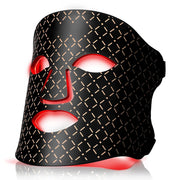
• Face masks: Designed for targeted skin support, these convenient, hands-free masks shine red light directly onto your face to address concerns like fine lines and acne.
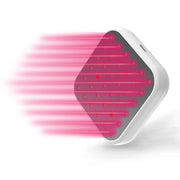
• Handheld or spot devices: These smaller units target localized pain points or small treatment areas—think sore elbows, knees, or patches of skin. They’re usually more affordable and portable, but less efficient for larger body regions.
• Wraps or sleeves: These flexible designs contour around your joints, calves, or lower back. They combine the portability of a handheld with more coverage, making them useful for people managing arthritis, tendonitis, or post-workout soreness.
What to Look For
With so many devices on the market, specs—not marketing—are what separate the best red light therapy devices from the rest. Here’s what to pay attention to when you’re comparing options:
• Wavelengths: Look for devices that offer both red light (around 630 to 660 nanometers) and near-infrared light (around 810 to 850 nanometers). Red supports skin-level changes, while NIR penetrates deeper into muscles and joints.
• Irradiance and dose: When you see marketing for the “strongest at-home red light therapy,” focus less on raw wattage and more on whether the device delivers consistent light intensity (irradiance) at a practical distance. Experts recommend devices with irradiance measured at six to 12 inches, meaning the light is still strong enough to deliver a therapeutic dose without needing to press the panel directly against your skin.
• Treatment time: The “dose” you get depends on both the light’s intensity and how long you use it. That said, most protocols call for about five to 20 minutes per area, up to five times a week, depending on your condition. Always follow the timing guidelines from your device manufacturer or clinician, because more time won’t speed results and can sometimes irritate the skin.
• Beam angle and coverage: Wider beam angles cover more area, but intensity drops off faster with distance. A good device balances both—enough spread to be efficient without losing effectiveness.
• Build and safety: Choose products with low EMF and flicker, solid cooling or thermal management, protective eyewear included, and clear third-party testing certifications. Look for a device that feels durable and well-made (skip the flimsy plastic), with a warranty that lasts beyond the first 30 days—both are signs of higher quality.
• User experience (UX): Look for features that make the device easy to use consistently. Built-in timers, adjustable intensity levels, the option to toggle between red and NIR light, app control, or even quiet fans can all make treatments more convenient and sustainable.
• Budget tiers: Affordable red light therapy devices (like small handhelds or masks) are great for spot treatments or first-time users. Mid-range options (compact panels) cover one body area at a time, and premium systems (large panels or full-body setups) typically offer the most coverage, smart features, and durability.
• Published third-party research: It’s preferable if the company producing the red light therapy device has independently vetted research that discloses stats on the device’s efficacy.
The short answer: Yes, many red light therapy devices qualify for HSA or FSA coverage—but only when they’re prescribed for a medical need. That’s because the IRS defines eligible expenses as those used to “diagnose, treat, or prevent” a health condition. For red light therapy, that might include acne, chronic musculoskeletal pain, wound healing, or even neuropathic pain.
To unlock those benefits, you’ll need a letter of medical necessity (LMN) from a licensed clinician. This documentation serves as proof for your HSA/FSA administrator that the purchase meets IRS requirements. An LMN should clearly state:
• Your diagnosis or the condition being treated
• The device type and intended purpose
• Recommended frequency and duration of use
• Your clinician’s signature
How to Use RLT Correctly
• Frequency and duration: Patients could use their device three to four times a week for about 15 to 20 minutes per session. The goal is to provide enough stimulation without overexposure. After four to eight weeks of this, many people transition to fewer maintenance sessions each week.
• Distance: Follow the manufacturer’s chart for how far to sit or stand from the device so you hit the right “dose” of light without overdoing it.
• Placement: Start with clean, dry skin and remove any photosensitive topicals (like retinoids) beforehand. Always use protective eyewear.
• Track your progress: Take photos in the same lighting or keep a simple log of your skin changes, hair growth, or whatever you’re targeting. This makes it easier to spot gradual improvements you might otherwise overlook.
Affordable vs. Premium: What You Gain as You Spend More
Not every red light therapy device has to be a wallet-busting full-body panel. What you choose should match your goals and your budget.
Just remember: It’s always better to use devices that are FDA-cleared. It implies safety and efficacy, and simultaneously shows that the company is invested in the quality of the product”
Here’s how the tiers stack up:
• Affordable (entry-level handhelds or masks): This option is best if you’re just getting started or only need to treat small areas like your face, scalp, or a single joint. These devices are compact, portable, and budget-friendly, but they cover less surface area and may require repositioning to treat multiple spots. They’re ideal for spot treatments or testing whether RLT is right for you.
• Mid-range (compact panels or high-coverage masks): These strike a balance between coverage and cost. A mid-size panel can treat one body area (like your back or legs) at a time, reducing how often you need to move the device. They typically have stronger, more consistent light output than budget gadgets, cutting down on session time while delivering more reliable dosing.
• Premium (large panels or full-body systems): At the top end, you’ll find devices with the best output consistency, broader coverage, and extra features like programmable timers, red/NIR toggles, app controls, or quieter fans. They also tend to last longer, with sturdier builds and extended warranties. Premium systems shine when you’re treating multiple areas regularly, sharing the device with other household members, or aiming for whole-body goals like recovery and inflammation support.
Common Mistakes to Avoid
Red light therapy is safe and simple to use, but there are a few pitfalls that can limit your results or even cause irritation if you’re not careful. These include:
• Chasing “max power”: More isn’t always better. Overexposure can irritate your skin and won’t speed results, so stick to recommended times and distances.
• Never reassessing: Using a device daily, indefinitely, without checking in on your progress isn’t necessary. Most people benefit from frequent use at first, then tapering to maintenance.
• Skipping eye protection: The light is intense, especially in close-up face sessions. Always wear the goggles that come with your device.
• Treating it as a magic fix: RLT can help, but it’s not a cure-all. Consider it a complement to a well-rounded treatment routine.
Key Takeaways
• Red light therapy can help with certain conditions: It works by giving your cells an energy boost, which can support gradual improvements in skin, hair, pain, and recovery.
• There's research to back it up: The most evidence-backed uses are for skin aging, acne, wound healing, and temporary pain relief.
• Safety matters: Wear eye protection, avoid use if you’re on photosensitizing meds or have certain medical conditions, and always follow device guidelines.
• The “best” device depends on your goals: Handhelds and masks are great for spot treatments, while panels cover larger areas for pain or recovery.
• Skip the “max power” hype: What matters is choosing an FDA-cleared device with proven wavelengths, steady output, and a design you’ll actually stick with.
• Many devices qualify for HSA/FSA coverage: You'll need to provide a letter of medical necessity.