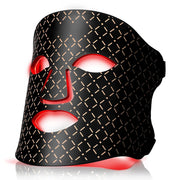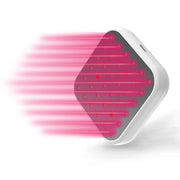


LED light therapy has become a mainstream treatment. Dermatologists and aestheticians trust it to improve everything from acne breakouts to visible ageing. One question is constantly asked as more and more people incorporate clinically-backed, LED devices into routines. What is the difference between blue and red light therapy?
Both are effective but each is designed to meet different skin needs. Blue light is more focused on acne, while red light helps with healing and skin strengthening. The good news is? The good news?
What is Red Light Therapy (RLT)?
The red light therapy is a visible wavelength of light, usually around 630-666nm. It can be combined with near-infrared for a deeper treatment. These wavelengths can penetrate deeper into the skin than many topicals. Red light affects the cells below the skin, particularly the mitochondria. These produce the energy that your skin needs to repair itself and regenerate.
The skin cells produce more ATP when they absorb red light. This extra energy is used to drive collagen production, improve the skin barrier, reduce inflammation signals and accelerate recovery after irritation or damage.
Red light therapy is gentle and safe to use. It doesn't just target one problem, but supports the overall health of your skin. This is why red light therapy is often referred to as "foundation wavelength" in LED routines.
What is Blue Light Therapy (BLT)?
Blue light therapy is a form of visible light therapy that uses wavelengths between 405 and 420nm. The wavelengths of blue light don't penetrate as deep as those of red light but the goal is to get closer. Blue light is more effective at reducing acne because it targets bacteria that causes breakouts.
Blue light therapy is a form of visible wavelength therapy that uses wavelengths between 405 and 420nm. The wavelengths of blue light don't penetrate as deep as those of red light but the goal is to get closer. Blue light is more effective at reducing acne because it targets bacteria that causes breakouts.
Blue light is able to disrupt acne bacteria through a chemical reaction. This destroys the bacteria without damaging surrounding tissue. This helps reduce active acne and prevent future breakouts. It also calms the redness associated with inflamed zits.
The blue light therapy is particularly useful in treating acne and oily skin because it identifies the root causes of breakouts, rather than simply drying them out. It does not strip the skin's barrier, unlike many acne products.
Red Light vs. Blue Light: Differences between the two therapies
Both LED therapies are built to do different jobs, even though they both use LEDs. This is how you can compare them in an easy-to-remember way:
The red light therapy is most commonly known as:
*Supports collagen and elastin for firmness and elasticity
*Reduce inflammation and redness
*Improve skin texture and tone
* Accelerating healing and recovery
* How to help skin that is sensitive or has a compromised barrier
Blue light therapy is most commonly known as:
* Killing acne-causing bacteria
*Reduce active breakouts
* Calming inflammation at the surface
*Preventing future acne
* Support clearer pores with less congestion
It is easy to understand that red light strengthens and heals while blue light prevents and clears. Advanced LED routines use both wavelengths to cover what each one doesn't.