

Degenerative Disc Disorder (DDD) can be a painful, common condition that is caused by the wearing down of spinal discs. These discs act as cushions in between the vertebrae. Red Light Therapy is a non-invasive, promising treatment option for millions of people who are looking for alternatives to medications and surgery. This comprehensive guide examines the science behind RLT, its benefits and how it can be used to manage DDD pain.
What is Degenerative Disc Disease (DDD)?
It's important to know the cause of the condition before you start treatment. DDD is not a disease, but rather a normal part of aging for many. The condition occurs when the spinal discs shrink or dry out.
· Loss in Disc Height: Less cushioning between vertebrae.
· Bulges and herniations of the disc: Inner disc material pushing out.
· Bone Spurs - An attempt by the body to stabilize an area that can cause nerve pinching.
Radiculopathy is a condition that causes chronic pain, stiffness and inflammation.
How does red light therapy work? The Science of Red Light Therapy
Red Light Therapy is also known by the names Low Level Laser Therapy (LLLT), and Photobiomodulation. It uses wavelengths of near-infrared light (NIR). RLT is a low-energy laser that uses light to promote healing on a cellular basis.
It is simple but profound.
1. Penetration The NIR light (800-880nm), penetrates deep through the skin to the spinal discs.
2. Absorption by Cellular Organelles: Light energy is absorbed in the mitochondria of our cells, which are the "power plants" for the cell.
3. ATP Boost This absorption encourages the mitochondrial to produce more Adenosine Triphosphate, the primary fuel used in cellular processes.
4. A cascade of healing effects: More energy allows cells to function more efficiently. This leads to reduced inflammation, an increase in blood flow and faster repair.
Red Light Therapy: Direct Benefits for Degenerative Disks
This cellular stimulation has several therapeutic benefits for individuals with DDD.
Reducing Inflammation
DDD is caused by inflammation. RLT is shown to reduce inflammation markers. In a study published in European Journal of Physical and Rehabilitation Medicine, LLLT was found to reduce pain and inflammation associated with musculoskeletal conditions.
Stimulating Cellular Regeneration and Repair
The discs of our spine are not well-blooded, which makes it difficult for them to repair themselves. RLT energy stimulates the disc cells (chondrocytes), causing them to produce more essential proteins, which make up the disc structure.
The Photomedicine & Laser Surgery journal published a landmark study that found that specific wavelengths and intensities of light were effective in increasing cellular proliferation, and the production of collagen and proglycans --the building blocks for healthy discs.
Promote Blood Flow and Oxygenation
RLT increases the production of nitric dioxide, a molecule which dilates blood vessel (vasodilation). This increases circulation in the affected area. It delivers more oxygen and nutrients, while also removing waste, creating an environment that is conducive to healing.
Pain Relief
RLT relieves pain naturally by reducing inflammation and encouraging healing at its source. ATP production is also increased, which helps to calm the overactive nerves that cause pain.
Red Light Therapy and Other DDD Treatments
How does RLT compare to traditional approaches? This table highlights RLT's unique position as an non-invasive modality that focuses on root causes.

Use Red Light Therapy to Treat Degenerative Disc Disease
Professional vs. Home Devices
· Professional Treatments : Performed at chiropractic, physical therapy or wellness clinics. These devices have high power, and a therapist is able to ensure the best positioning. A typical protocol might involve 2-3 sessions per session for several weeks.
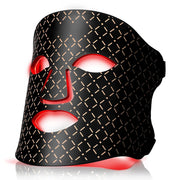
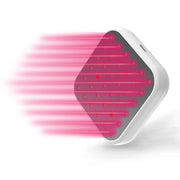
· Home Devices: Includes panels, belts and handheld devices. These devices are convenient for everyday use, but they tend to be less powerful. With at-home units, consistency is important.
Best Practices to Effectively Treat Patients
1. Consistency Is Critical: RLT does not work like a pill. It is recommended to use RLT daily or almost every day, especially at the beginning.
2. Select the Right Area: Directly apply the light to the area where the degenerative disks are located.
3. The dose is important: Always follow the instructions of the manufacturer for treatment distance and time. The average session lasts between 10-20 minutes.
4. Minimum Clothing: Light must be applied directly to the skin for maximum penetration.
5. Patience While many people feel warmth and relaxation immediately, it can take up to 8 weeks for tangible pain relief and mobility improvements.
Conclusion: Spinal Care has a Bright Future
Red Light Therapy does not cure Degenerative Disc Disease, but is a powerful tool that is supported by scientific evidence. It is a non-invasive, safe way to relieve pain and improve quality of life by targeting the underlying cellular malfunction that causes inflammation and pain. RLT, when combined with a healthy diet, a good lifestyle and guided exercises, can be the cornerstone of an integrated, proactive approach towards spinal health.